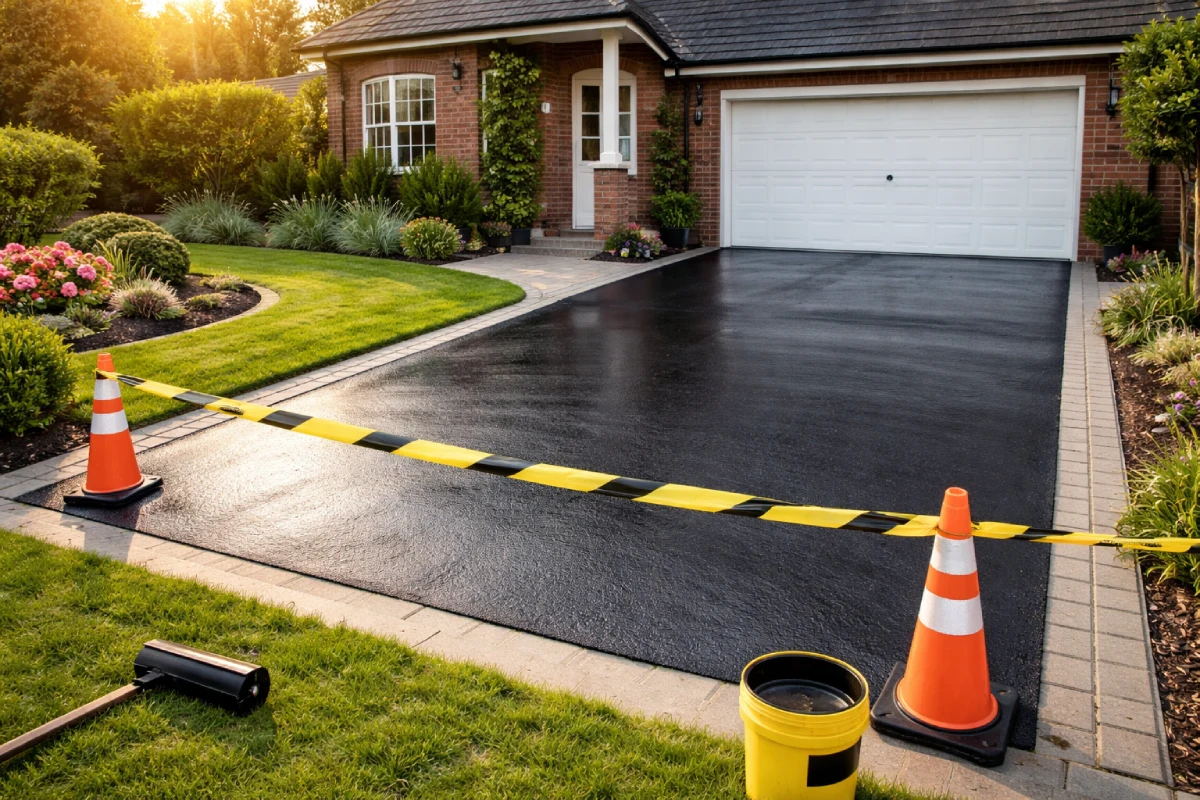
Sealing a driveway feels like the final win, until the real question hits: how long can you actually wait before driving on it? Many UK homeowners assume “dry to the touch” means safe to use. That assumption quietly ruins surfaces every year. The truth is simpler, but stricter. In most UK conditions, you should wait 48–72 hours before driving on a sealed driveway, and up to 7 days for heavy vehicles.
Ignore this window and you risk tyre marks, dents, or weakened protection that shortens lifespan. This guide breaks down exact wait times, why weather changes everything, and how different materials behave, so you don’t undo a professional job with one rushed decision.
Importance of Waiting After Driveway Sealing
Waiting allows sealers to cure fully, locking in protection and durability. Rushing the process risks damaging the driveway’s surface and shortening its lifespan.
Why Premature Driving Can Damage Your Driveway
Driving or parking before the sealant cures can cause irreversible harm. Vehicles, even light cars, can leave stubborn tire impressions or scuff marks that mar the finish.
For resin-bound driveways, premature traffic compromises adhesion, often leading to peeling or patchy areas that severely reduce resin driveway durability.
Stone driveway installation and gravel driveway installation are just as vulnerable; wheels can displace stones or create indentations that spoil the smooth appearance.
When the surface integrity breaks down this way, it often demands costly driveway repair and resurfacing. By respecting the curing time, you protect the surface from needing frequent concrete crack patching or full-scale restorative work.
How Different Driveway Materials Affect Drying Time
The driveway material significantly influences how long you must wait. For instance, tarmac driveway installation tends to cure faster, generally requiring at least 48 hours before vehicle access.
Resin driveway installation and resin-bound surfaces often need around 72 hours to reach optimal hardness. Stone driveway construction and gravel driveway construction depend on factors like temperature and humidity but typically align with similar curing windows.
Surfaces that have undergone concrete crack patching may extend drying times further as the patches set alongside the sealant.
The Role of UK Weather in Driveway Curing
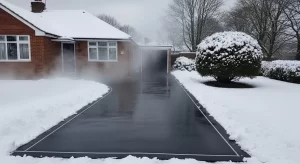
UK weather is a silent but powerful player in how well and quickly your driveway sealant cures. Cold, damp, or overcast days slow chemical reactions, meaning even if the top feels dry, the layers underneath remain soft and vulnerable.
This can cause peeling or patchiness, especially if rain arrives within 24 hours of sealing. Planning your driveway sealing around dry, warmer spells maximizes resin driveway durability and reduces the risk of having to redo work prematurely.
Using quality gravel stabilisation grids or stone driveway installation methods can mitigate some risks but don’t replace good weather timing.
Typical Driveway Drying Times in the UK
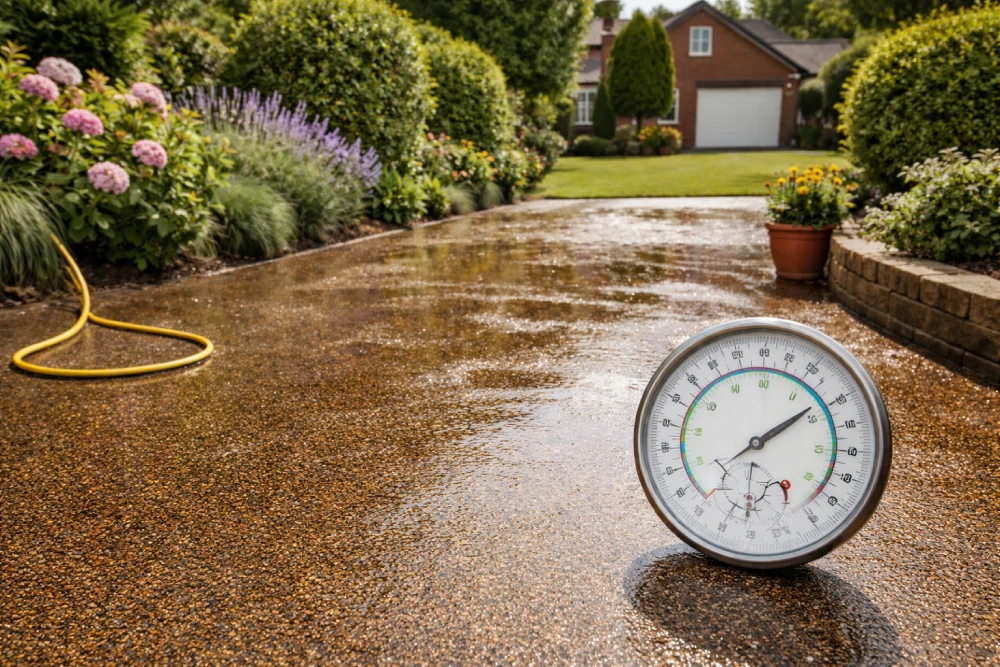
Knowing typical drying times offers confidence for homeowners planning driveway use and maintenance. It prevents accidental damage and helps maximise the finish’s lifespan.
Walking vs Driving: When Each is Safe
Light foot traffic usually becomes safe around 24 hours after sealing. Some sealers even tolerate cautious walking within 3 to 6 hours when conditions are sunny and warm.
However, vehicles need a longer wait. Cars should ideally avoid the driveway for 48 to 72 hours to allow full sealer bonding. Early driving risks tire impressions, uneven surfaces, and ultimately compromise resin driveway durability and other material finishes.
Following the recommended driveway sealant schedule preserves aesthetic appeal and functional strength, especially on stone driveway construction and gravel driveway construction, where surface detail is critical.
Waiting for Heavy Vehicles
Heavy vehicles, including vans and trailers, exert more pressure, posing higher risks to unready surfaces. For tarmac driveway installation or resin driveway installation, it’s wise to wait up to 7 days before allowing heavy vehicles.
Even light commercial traffic early on can cause dents, scuffs, or disrupt driveway groundwork. Adhering to the correct driveway drying time reduces the likelihood of damage that could escalate driveway resurfacing costs. It also protects stabilisation grids beneath gravel driveways and prevents unwanted repairs.
Sealer-Specific Drying Times
Not all sealants cure alike. Acrylic or polymer-based sealers may be drive-ready in 36 to 48 hours, but bitumen or asphalt variants often require a minimum 48-hour period.
Resin-bound driveways usually command a firm 72-hour cure for peak resin driveway durability. Stone driveway construction and gravel driveway construction are influenced by local climate conditions that can extend drying further.
Post-Sealing Care and Maintenance
Waiting is only part of the puzzle. Proper care post-sealing safeguards your driveway’s look and longevity.
Avoiding Tire Marks and Scuffing
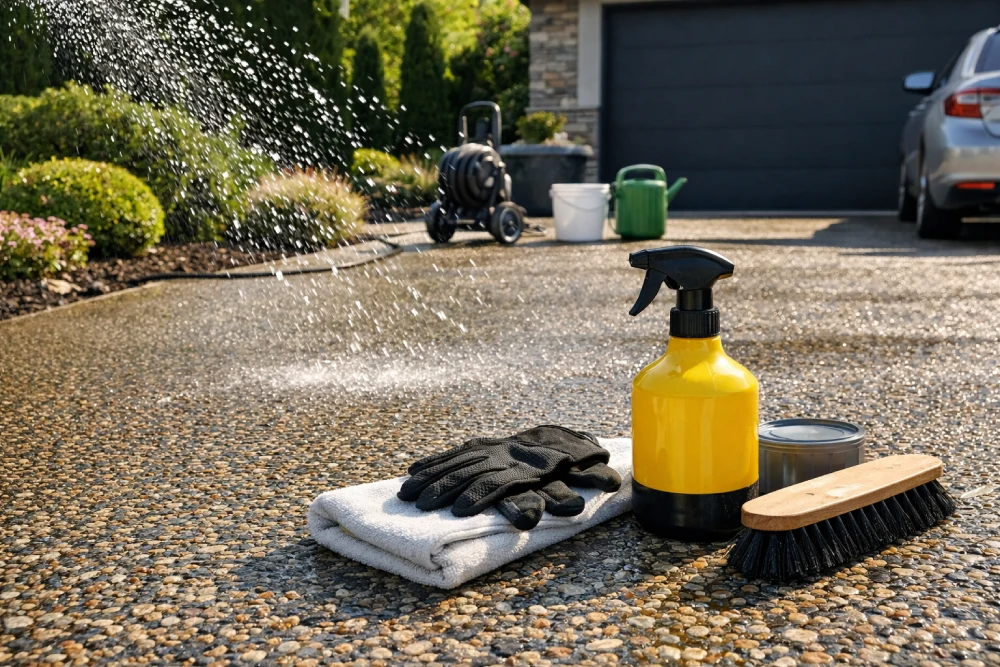
During the first week, avoid turning wheels while stationary on the driveway. Sharp wheel movements can cause scuffing or damage not yet hardened. This caution is particularly vital on resin driveway installation and stone driveway construction, where the sealer needs to bond evenly.
Even light vehicles can leave visible imperfections if you’re careless. Staying vigilant reduces the need for costly driveway repair and resurfacing later, conserving the durability of block paving driveway patterns, gravel driveway installations, and tarmac driveway installation.
Checking for Tackiness Before Driving
Before driving on the sealed surface, perform a simple test: gently scrape a shoe heel on a hidden corner. If the sealer feels sticky or soft, it isn’t ready.
This tactic is especially important for resin-bound driveway installation, stone driveway construction, and gravel driveway construction, where premature strain undermines adhesion and durability.
This small check aligns with the driveway sealant schedule and keeps your driveway in optimal condition without risking expensive repairs.
Planning Around UK Rain and Weather Conditions
Never start sealing if rain is anticipated within 24 hours. Moisture can wash away the sealant or cause uneven, patchy finishes, particularly on resin driveway installation and stone driveway construction.
Cool, humid UK weather prolongs driveway drying time, so always check forecasts and pick dry periods for sealing. Proper scheduling maximises the sealant’s curing effectiveness and future driveway durability, whether you use gravel stabilisation grids, resin-bound systems, or traditional stone driveway construction.
Costs and Factors Affecting Driveway Sealing
Budgeting wisely considers material, size, and the need for prep work, ensuring quality that lasts.
Driveway Surfacing Price and Sealant Costs
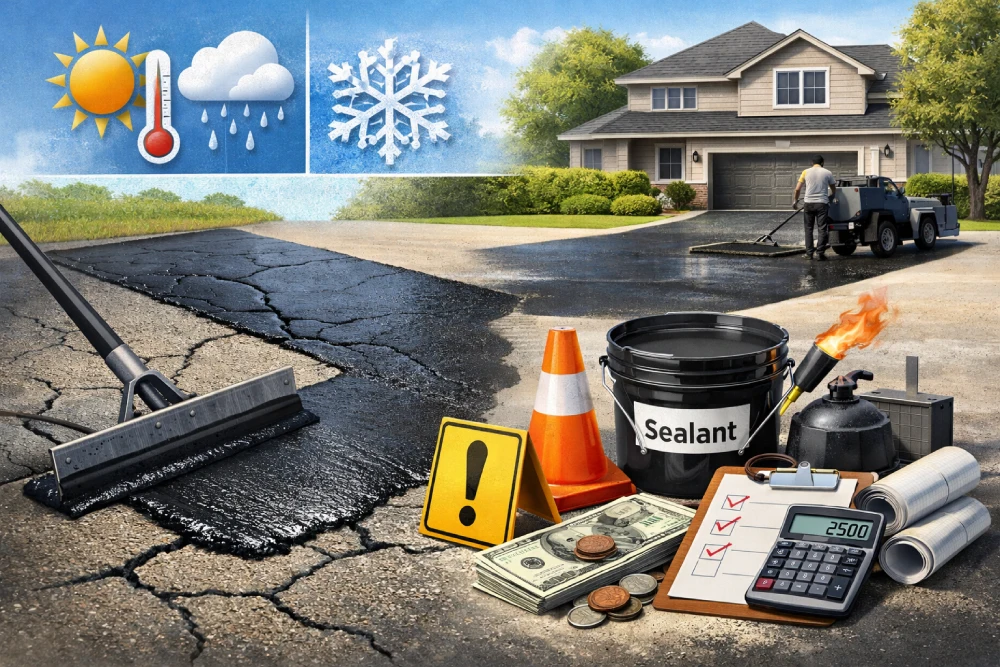
The driveway surfacing price fluctuates by material choice. Resin-bound driveway price tends to be higher due to its superior finish and durability. Gravel driveway installation and stone driveway construction offer more cost-effective solutions but may require additional maintenance.
Sealant expenses depend on driveway dimensions and material type, with larger areas needing more product and labour. Investing in quality sealants can lower long-term driveway repair and resurfacing costs by extending the driveway’s lifespan and enhancing protection.
Concrete Crack Patching Before Sealing
Repairing cracks before sealing is critical. Untreated cracks widen under traffic and weather, undermining the sealant’s effectiveness.
Employing concrete crack patching ensures a smooth, even surface for sealing, essential for block paving driveway types, tarmac driveway installation, and resin driveway installation.
This preparatory step aids the overall driveway sealant schedule, promoting long-term durability and avoiding premature repairs.
Resin-Bound and Gravel Driveway Considerations
Resin driveway installation and gravel driveway construction demand careful groundwork. Compacting the base and installing gravel stabilisation grids enhances strength and prevents surface shifting.
These prep steps influence driveway drying time, as resin-bound surfaces usually need more curing than stone or gravel. Thorough installation ensures uniform curing and mitigates displacement risks during early driveway use, ultimately protecting your investment and reducing future maintenance.
Why Choose East Herts Surfacing & Driveways?
Choosing the right surfacing contractor makes all the difference. At East Herts Surfacing & Driveways, quality, reliability, and long-lasting results come as standard.
- 20+ Years of Experience – Proven expertise across domestic and commercial surfacing projects
- High-Quality Materials – We use trusted, durable materials designed to stand the test of time
- Wide Range of Services – From driveways and resin bound surfacing to tarmac, paving, and repairs
- Professional Workmanship – Careful preparation, precise installation, and attention to detail
- Free Site Surveys & Quotes – Honest advice with no obligation
- Customer-Focused Service – Clear communication, fair pricing, and dependable timelines
We take pride in delivering surfaces that not only look great but also perform reliably for years to come. When you choose East Herts Surfacing & Driveways, you’re choosing experience, quality, and peace of mind.
Where to Find Us?
EAST HERTS SURFACING & DRIVEWAYS is conveniently located and easy to contact for all your driveway and surfacing needs. Whether you’re looking for a new installation, resurfacing, or professional repairs, our team is ready to assist.
- Main Office: Yard 8, Stonebury Farm, Hare Street, Buntingford, Hertfordshire, United Kingdom
- What We Do: Driveways, resin-bound surfacing, tarmac works, paving, resurfacing, and repairs
- Office Hours:
- Monday – Friday: 09:00 – 17:00
- Saturday: 09:00 – 15:00
- Sunday: Closed
- Phone: +44 (0) 8000 548448
You can reach us by phone during office hours to book a free site survey or discuss your project. We’re always happy to help you find the right solution quickly and easily.
Frequently Asked Questions
How long after sealing a driveway can I drive on it, and does seal coating affect the wait time?
In most cases, you should wait 48–72 hours before driving after seal coating. Different sealers cure at different speeds, and cool or damp UK weather can extend the safe waiting period.
How long should I wait to drive if I repaired cracks before sealing my concrete driveway?
If you’ve done crack repairs first, allow an extra 24 hours before driving. Fresh repairs beneath sealant need time to stabilise, or traffic can reopen cracks and weaken the surface.
Does the cost to pave or repave a driveway affect how soon I can drive on it?
Higher paving or repaving costs don’t shorten drying time. Regardless of budget, sealants still need proper curing, and driving too soon can undo expensive workmanship and reduce lifespan.
How long after sealing can I drive on a resin driveway, and how long do resin driveways last?
Resin surfaces usually need at least 72 hours before driving. When cured correctly and maintained well, resin driveways can last 15–25 years without major resurfacing issues.
After sealing, how soon can I drive on a gravel or stone driveway installation?
For gravel or stone driveways, wait 48–72 hours after sealing or binding. Early driving can shift stones, damage the surface, and increase future maintenance or resurfacing needs.
Maximise Driveway Longevity with Proper Sealing Practices
Patience truly pays when it comes to sealing your driveway. Understanding the right timing based on material, weather, and traffic type protects your investment and enhances durability.
Follow waiting guidelines, perform simple surface tests, and plan around UK weather for the best outcome. Proper care and preparation not only save costs but also keep your driveway looking pristine year after year.
This approach ensures your hard work and resources yield a stable, attractive driveway you can trust.