Many UK homeowners choose stone driveways, believing they are simple, forgiving, and hard to get wrong. That assumption causes most failures. A driveway can look finished on the surface while problems quietly develop underneath.
Installing a stone driveway properly involves planning the layout, excavating to the correct depth, building a solid sub-base, and laying the stone with proper drainage. Miss any of these steps and the driveway will settle, rut, or flood far sooner than expected.
This guide walks through each stage in detail, from early planning and ground preparation to installation and long-term care, so you can build a stone driveway that stays stable, compliant, and cost-effective for years.
Planning Your Stone Driveway
Effective planning shapes a project that lasts. It ensures stability, compliance, and budget control for your new driveway.
Calculating Material Requirements
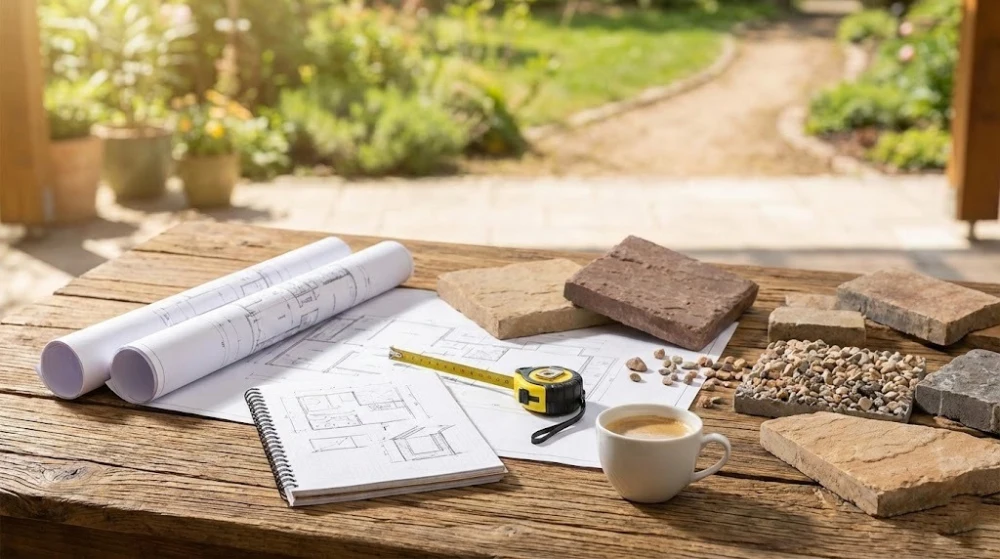
Start by measuring the driveway’s length and width in metres to determine the total area. For a robust stone driveway installation UK, allocate around 50 mm depth for decorative gravel. Underneath, a sub-base thickness of around 150 mm compacts well and supports weight.
One bulk bag of gravel tends to cover about 10 m² at the ideal depth, but sub-base material like MOT Type 1 requires additional volume due to compaction. Always order a bit more to prevent shortages and uneven layers.
Failing to calculate correctly can inflate your driveway repaving cost later due to surface instability or visible membrane. Investing time upfront protects your wallet and labour.
Selecting the Right Stone
Your choice of stone impacts both aesthetics and durability. Angular stones, such as granite or basalt chippings around 20 mm in size, interlock better than rounded gravel, providing superior traction and strength for vehicles.
Smaller stones risk scattering or embedding in tyres, creating a messy look and potential hazards. Lighter colours brighten appearance but show dirt; darker stones mask tyre marks and dust.
Right stone selection reduces maintenance, lowers repair frequency, and boosts overall lifespan for your driveway.
Understanding Driveway Paving Cost
Stone driveways rank as an affordable option compared to block paving, resin-bound surfacing, resin, or concrete alternatives. Typical costs include excavation, sub-base aggregates, edge restraints, membranes, and the decorative stone layer.
Hiring professionals can double overall costs due to labour charges. Even when using basic materials, proper base preparation and correct layering prevent expensive fixes later. Understanding each cost component allows for fair comparison with alternatives such as resin driveway cost, resin bound surfacing systems, or traditional concrete options.
Preparing the Driveway Area
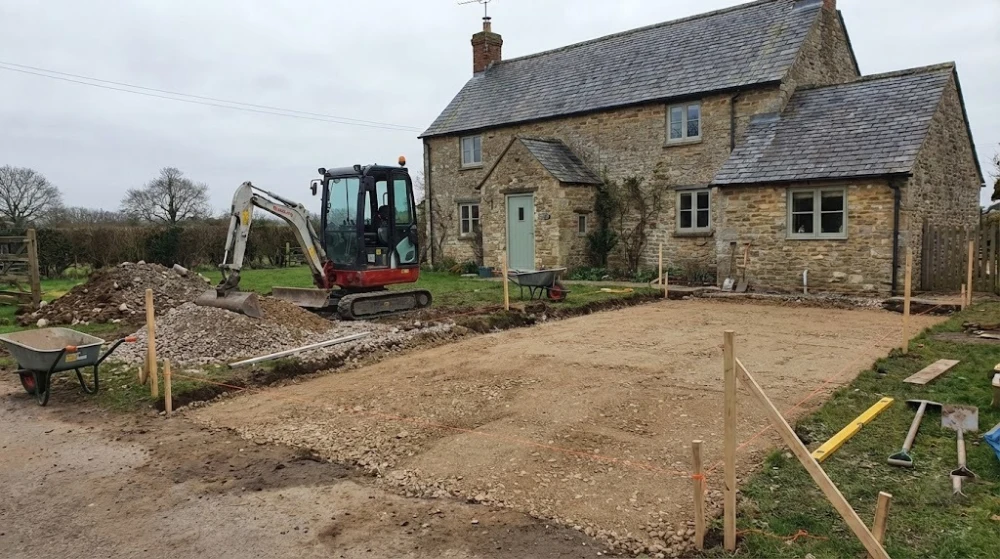
Site prep underpins stability and longevity; cutting corners here is a common route to failure.
Excavation and Base Depth
Excavate the area to about 200 mm, combining sub-base and stone depths. In soft or poorly draining soil, deepen the excavation to avoid future sinking or water retention.
Strip out turf, roots, and organic layers completely to eliminate decay risks below the surface. Insufficient depth or organic presence leads to unevenness and high maintenance, increasing driveway repaving cost.
A carefully planned, firm base is your driveway’s insurance policy against premature failure.
Creating Proper Drainage and Slope
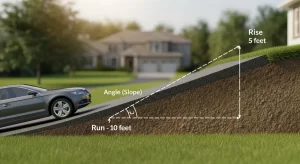
Rain is frequent in the UK, making drainage critical. Ensure the surface slopes about 1–1.5% away from buildings to prevent pooling, structural damage, or flooding.
Stone driveways offer natural permeability, satisfying drainage standards without additional systems. However, a poorly designed slope can still lead to erosion, frost damage, and sinking.
Unlike machine-laid tarmac, which requires precise gradients during installation to avoid water pooling, stone driveways are more forgiving, but slope planning remains essential.
Effective drainage extends the driveway’s lifespan and reduces ongoing maintenance issues.
Checking for Utilities and Planning Permission
Before digging, identify buried utilities; hitting pipes or cables is dangerous and costly. Contact local utility companies or use professional detection services to avoid accidents.
UK planning permissions are generally lenient for permeable surfaces installed since 2008, meaning most stone driveways do not require formal approval. Exceptions exist for listed buildings or properties in conservation areas. Early verification saves delays, legal complications, or redesign headaches.
Proper preparation also reduces the need for future pothole repairs, which are common when sub-base layers are poorly installed or drainage is inadequate.
Laying the Sub-Base and Membrane
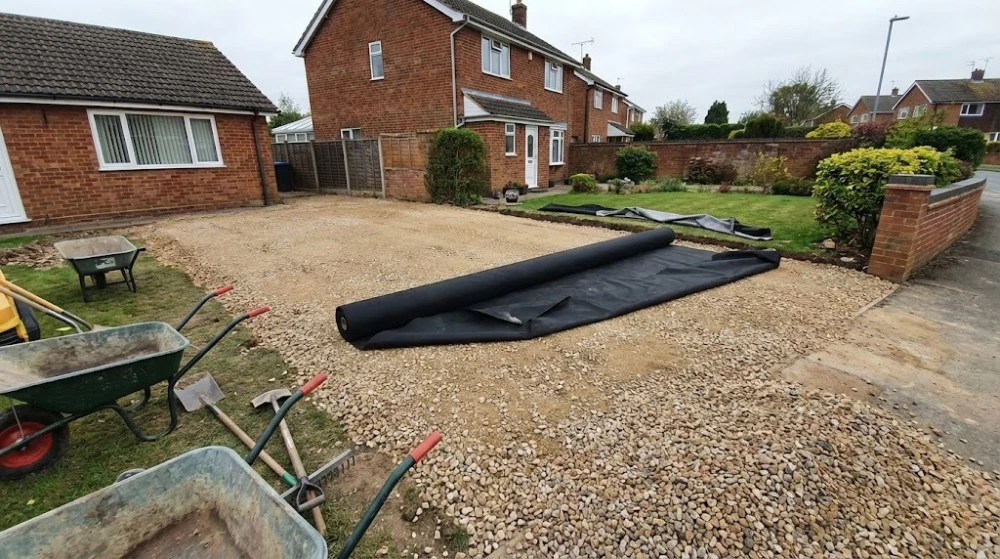
This critical step prepares the foundation layer that sustains traffic and locks in stability over time.
Installing MOT Type 1 Sub-Base
MOT Type 1 aggregate is the gold standard for durable sub-bases. Spread it evenly in incremental layers, compacting each to reach an overall 150 mm depth.
This composite supports loads, prevents movement, and provides drainage. Using lesser-quality or insufficient-depth materials invites settling, rutting, and costly repairs under vehicles.
The sub-base’s robustness shapes how long your driveway lasts without problems.
Compaction Techniques for Stability
Compacting with a vibrating plate compactor is essential. Each new sub-base layer must be compressed thoroughly with multiple passes to expel air and increase density.
Poorly compacted bases settle unevenly, causing dips or cracks, similar to issues that arise in concrete, requiring concrete driveway crack repair. A well-compacted base can endure decades.
Don’t be fooled by appearances during installation; compaction quality determines future success.
Weed Membrane and Gravel Grids
Lay a permeable weed membrane over the compacted sub-base to block unwanted growth while letting water pass through.
On inclines or frequently used driveways, stabilisation grids secure gravel, prevent spreading, and minimise rut formation.
These help maintain appearance and reduce maintenance, especially in high-use or sloped areas.
Installing the Stone Surface
The final surface layer affects look, feel, and practicality, attention here seals your investment.
Spreading and Leveling Decorative Gravel
Spread your chosen decorative gravel evenly to about 50 mm depth. Use a rake to level consistently, avoiding deep or thin patches.
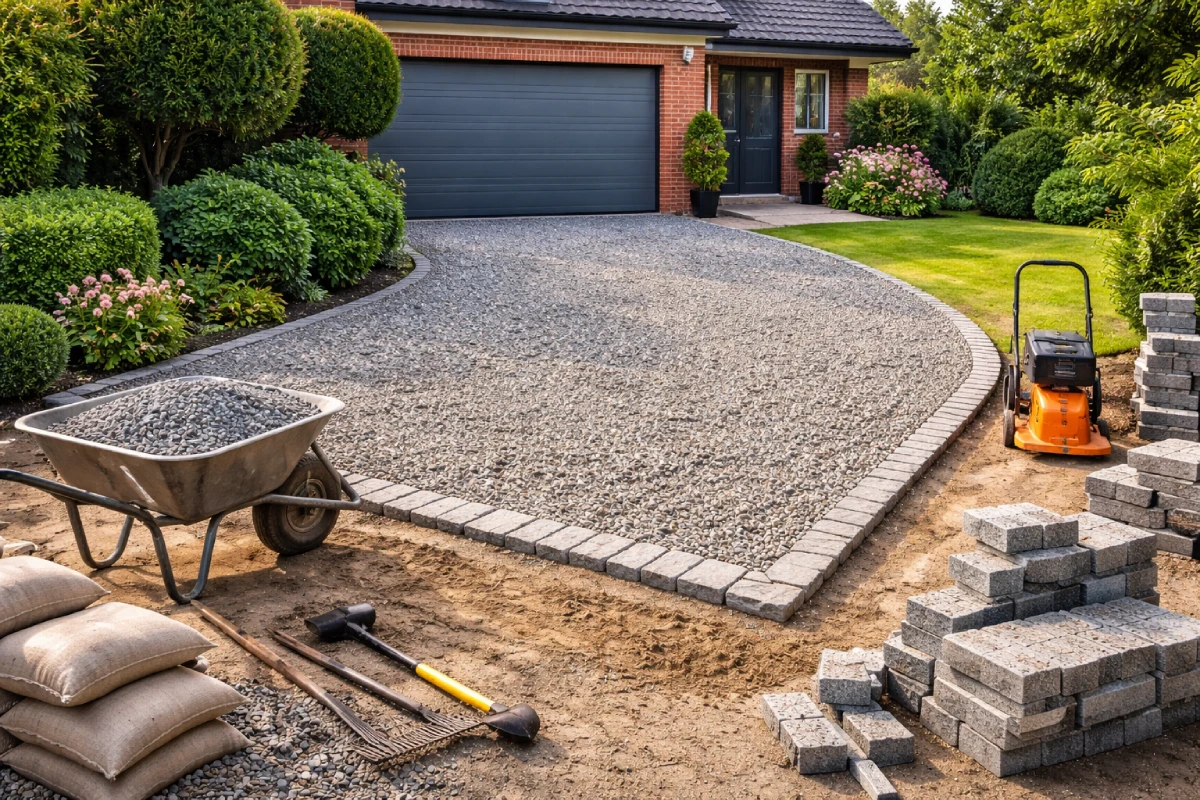
Don’t overfill; excessive gravel shifts under tyres and can spill onto pavements. Carefully contain gravel within edging for a clean finish.
Lightly hose the surface after spreading to remove dust and reveal the stone colours vividly.
Driveway Seal Coating and Maintenance Tips
Unlike asphalt or concrete, stone driveways generally don’t require driveway seal coating, which reduces resin and paved driveway upkeep but adds costs.
Maintenance includes regular raking to redistribute displaced stones, topping up low areas, and clearing debris to keep permeability intact.
Gravel avoids common cracks that plague rigid surfaces, reducing the need for concrete driveway crack repair or sealing.
Driveway Curing Time and Longevity
Stone driveways have virtually no driveway curing time. They can be used immediately post-installation once properly compacted.
Stones gradually bed in over months, enhancing stability naturally. Longevity depends heavily on base preparation quality more than surface material.
With good installation, stone driveways last for decades with minimal upkeep.
Cost Considerations and Comparisons
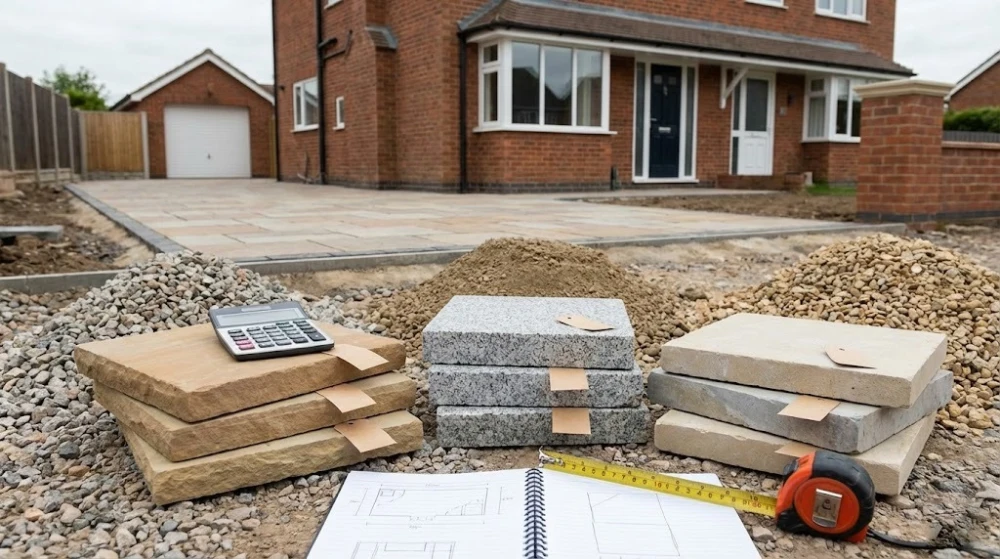
Understanding costs helps you weigh stone driveways against other popular surfaces for smarter investment.
Gravel Driveway Installation vs Resin Driveway Cost
Gravel driveway installation frequently costs much less than resin driveways. Resin systems demand specialist labour and expensive materials, resulting in a higher resin driveway cost.
Although resin offers a glossy finish, gravel’s flexibility and ease of repair balance unique benefits against resin’s polished aesthetics.
Those budget-conscious homeowners value stone for its lower entry cost and manageable upkeep.
Driveway Repaving Cost and Resin Driveway Lifespan
Stone driveways rarely need full surface replacement. Maintenance typically involves topping up gravel rather than complete resurfacing, keeping driveway repaving costs low.
Resin driveway lifespan ranges from 15 to 25 years, requiring costly restoration beyond that.
This longevity discrepancy positions stone as a more cost-effective, long-term option.
Long-Term Maintenance and Driveway Sealing Frequency
Stone surfaces demand little upkeep beyond occasional stone replacement and cleaning.
Rigid materials need regular sealing; driveway sealing frequency for concrete or asphalt averages every 2–5 years, adding continual expenses.
Stone projects avoid these recurring costs, proving especially practical for larger or longer driveways.
Why Choose East Herts Surfacing & Driveways?
Expert Craftsmanship for Driveways That Last
Choosing East Herts Surfacing & Driveways ensures your stone driveway is installed perfectly. Here’s why homeowners trust us:
- 20+ Years of Experience: Skilled in stone, gravel, resin, and block paving driveways.
- Premium Materials: MOT Type 1 sub-base, stabilisation grids, and high-quality stone.
- Attention to Detail: Proper slope, compaction, and drainage for long-lasting performance.
- Transparent Pricing: Affordable, clear quotes with no hidden costs.
- Customer-Focused: Advice, guidance, and aftercare for worry-free maintenance.
💎 Request Your Stone Driveway Consultation
Areas We Proudly Serve
Driveway Solutions Across Hertfordshire and Beyond
East Herts Surfacing & Driveways caters to residential and commercial clients in:
- Hertfordshire towns: Hertford, Ware, Bishop’s Stortford, Cheshunt, Broxbourne
- Surrounding counties: Essex, Bedfordshire, and nearby areas
- Properties of all sizes, from private homes to commercial driveways
Wherever you are in East Herts, we deliver professional, durable, and stylish driveways tailored to your property.
Where to Find Us for Driveway Services?
Easily Reach Us for All Your Driveway Installation and Maintenance Needs
- Main Office: Yard 8, Stonebury Farm, Hare Street, Buntingford, Hertfordshire, United Kingdom
- Phone: 08000 548448
- Office Hours: Monday – Saturday: 09:00 – 17:00 | Sunday: Closed
We’re conveniently located to serve homeowners and businesses across East Herts and surrounding counties. Visit or contact us for:
- Free consultations and personalised driveway quotes
- Professional installation of stone, gravel, resin, or block paving
- Repairs, resurfacing, and driveway maintenance services
- Expert guidance on long-term driveway care
Whether you’re in Hertford, Ware, Bishop’s Stortford, Cheshunt, Broxbourne, or nearby areas in Essex or Bedfordshire, our team provides fast, reliable, and high-quality services tailored to your property’s needs.
🚀 Book Your Driveway Installation Today
Frequently Asked Questions
How much does it cost to install a stone driveway in the UK?
The cost depends on driveway size, stone type, and sub-base preparation. Stone driveways are generally more affordable than resin, block paving, or concrete. Professional installation ensures durability, proper drainage, and long-term value.
How do I repair cracks in a concrete driveway before installing stone?
Repair cracks using concrete filler, patching compound, or resin-based products. Ensure the surface is level and clean. Proper base preparation prevents uneven settling, improves drainage, and avoids potholes under your new stone driveway.
How often should I maintain or seal a stone driveway?
Stone driveways rarely require sealing. Regular maintenance involves raking, topping up displaced stones, and clearing debris. This preserves permeability, appearance, and longevity, unlike resin or concrete, which require frequent sealing for durability.
What’s the difference between gravel, stone, and resin driveways?
Gravel and stone driveways are low-cost, permeable, and easy to repair, while resin driveways are polished but more expensive. Base quality, slope, and drainage affect lifespan more than surface type.
How long after installing a stone driveway can I drive on it?
Stone driveways are usable immediately after compaction. Stones gradually bed in over months, improving stability naturally. A strong sub-base and proper edging prevent rutting, erosion, and long-term surface issues.
A Path Worth Taking
Investing in detailed planning and preparation drives a stone driveway that lasts and performs. With the right materials and techniques, you sidestep common costly repairs and upkeep.
Stone’s affordability, flexibility, and low maintenance make it an excellent choice for UK homeowners seeking a smart, stylish driveway.Prioritise your base, choose suitable stone, and maintain it properly, and your future driveway will thank you.