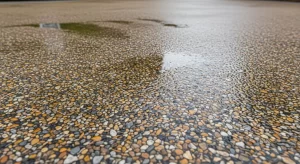
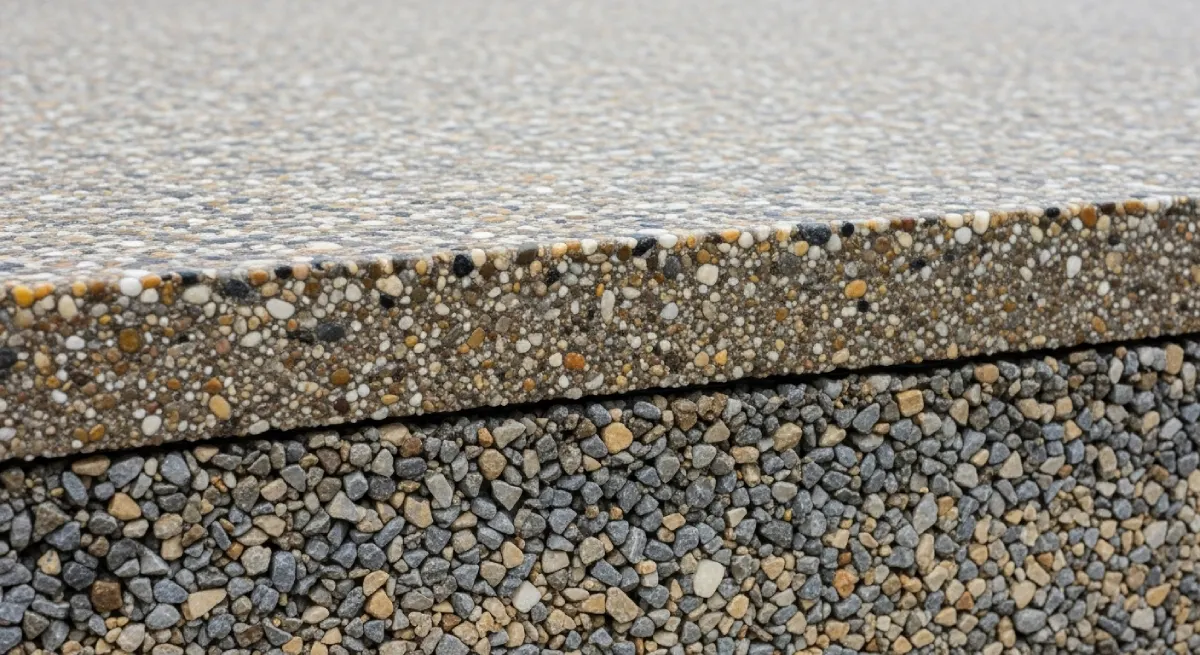
A poorly installed driveway often fails long before it should, cracking, sinking, or holding water after rain. In most cases, the issue isn’t the surface material but what lies beneath it. The sub-base depth plays a crucial role in durability and performance.
Many homeowners focus on the visible finish, like resin or block paving, but neglect the importance of proper groundwork. Without the correct sub-base depth, even the best materials will struggle under daily use and changing weather conditions.
Today, we’ll explain the correct sub-base depth for UK driveways, how it connects to resin-bound surfacing thickness, and how to ensure a long-lasting result with expert installation.
Recommended Thickness for Resin-Bound Driveways
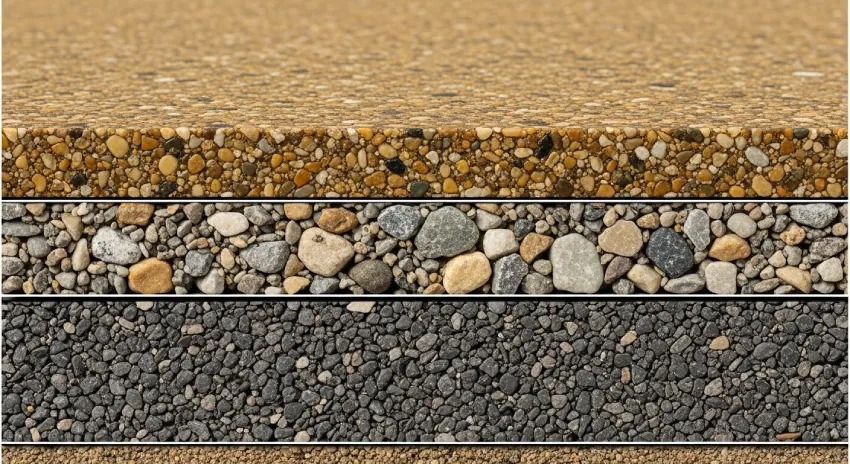
Resin-bound driveway thickness directly impacts durability, drainage, and long-term performance. While the sub-base provides structural support, the resin layer must be correctly applied to complement the foundation and prevent failure.
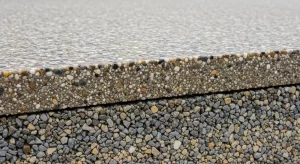
A typical resin-bound surface is installed between 15mm and 20mm, with 18mm being the standard for residential driveways. This thickness offers the ideal balance between strength and flexibility for everyday vehicle use.
The depth must always be at least three times the size of the largest aggregate used. For example, if using 6mm stone, the resin layer should be closer to 18mm–20mm to maintain structural integrity.
- Standard thickness: 15mm–20mm
- Residential optimum: 18mm
- Minimum thickness: 15mm (never less)
A thinner application may initially look fine, but it increases the risk of cracking and loose stones. This is why professional resin bound driveways installers Hertford always assess both the surface and the base before installation.
Resin Driveway Thickness by Usage Type
The required resin thickness varies depending on how the driveway is used. Different load levels demand different depths to ensure long-term durability and performance.
Pedestrian Areas (Paths & Patios)
Pedestrian areas typically require less structural strength compared to driveways. A 15mm thickness is usually sufficient for paths and patios, as they only experience light foot traffic.
This thinner layer still provides a smooth, attractive finish while maintaining permeability. It also helps reduce installation costs without compromising performance in low-load areas.
However, even for footpaths, proper sub-base preparation is essential. Without a solid foundation, even a 15mm surface can shift or crack over time.
Residential Driveways (Cars & Light Vehicles)
For standard residential use, a thickness of 15mm–18mm is recommended. Most professionals opt for 18mm, as it offers better resistance to daily wear from cars and light vehicles.
This thickness ensures the driveway can handle repeated loading without weakening. It also supports consistent drainage and prevents surface movement. Experienced providers of resin bound services Hertford will always tailor the thickness based on vehicle usage, ensuring long-term reliability.
Heavy Traffic Areas (SUVs, Vans & Trucks)
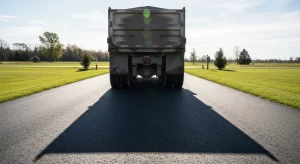
Driveways that regularly support heavier vehicles require a thicker resin layer of 20mm or more. This added depth improves load distribution and reduces the risk of cracking under pressure.
Heavy-duty areas also place greater demand on the sub-base. Without sufficient depth beneath the surface, even a thicker resin layer won’t prevent long-term damage. This is why professional installation always considers both surface thickness and sub-base depth together, not separately.
Why Thickness Matters for Resin Driveways?
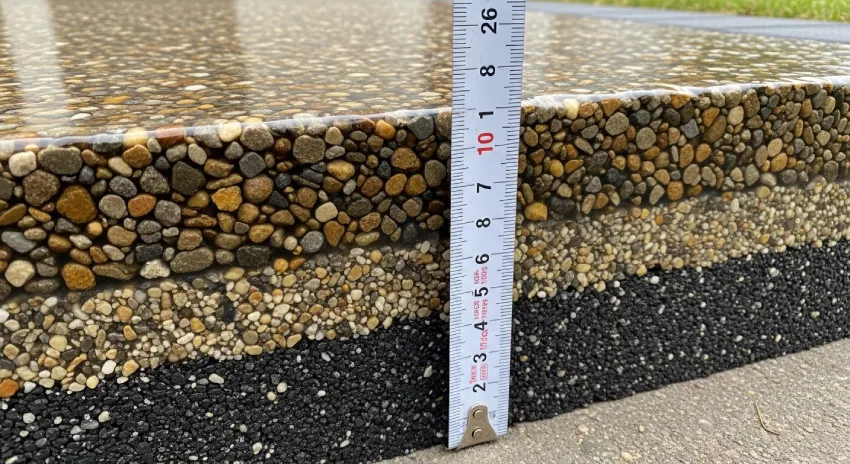
The thickness of both the resin surface and the sub-base determines how well your driveway performs over time. Cutting corners in depth often leads to costly repairs and early failure.
Prevents Cracking and Surface Failure
A properly installed thickness reduces stress on the surface. When the layer is too thin, pressure from vehicles causes cracks and weak spots to form quickly. Over time, these cracks expand, leading to surface breakdown. Correct thickness helps absorb impact and maintain structural integrity.
Ensures Proper Load Distribution
The right depth allows weight to spread evenly across the surface. This prevents concentrated pressure points that can damage the driveway. Without proper load distribution, the driveway may sink or become uneven. This is particularly important for high-use areas.
Improves Longevity and Return on Investment
A correctly installed driveway lasts significantly longer. Investing in proper thickness from the start reduces maintenance costs and extends lifespan. Homeowners benefit from better value and fewer repairs over time. This is why quality groundwork is essential.
Supports Permeability and Drainage
Resin-bound driveways are designed to be permeable. The correct thickness ensures water flows through the surface and into the sub-base efficiently. Poor installation can lead to water pooling and drainage issues.
Professional resin surfacing service Hertford providers ensure optimal performance through proper depth.
Built to Last: Why Homeowners Trust Our Resin Driveway Expertise
Choosing the right contractor is just as important as choosing the right materials. Proper depth, preparation, and finishing all require experience and attention to detail.
At East Herts Driveways, we bring over 20 years of experience in delivering high-quality driveway and patio projects. Our focus is always on getting the groundwork right before any surface is installed.
We specialise in hertfordshire resin driveways, ensuring every project is built to handle local conditions. From drainage considerations to material selection, every detail is carefully planned.
- 20+ years of surfacing and groundwork expertise
- Trusted local company in East Hertfordshire
- Honest advice and no-pressure consultations
Our process ensures consistent results:
- Step 1 — Site survey & quote
- Step 2 — Preparation & installation
- Step 3 — Final details & handover
We maintain clean, tidy working practices from start to finish. If you want a driveway built properly, we’re here to help.
Visit Our Hertfordshire Team for Expert Resin Driveway Solutions
If you’re planning a new driveway or upgrading an existing one, getting expert advice early makes all the difference. A proper assessment ensures the correct sub-base depth and surface thickness for your needs.
We provide a full resin surfacing service Hertford, covering everything from initial consultation to final installation. Our team is always happy to offer clear, straightforward guidance.
You can visit or contact us using the details below:
- Company: East Herts Driveways
- Address: Yard 8, Stonebury Farm, Hare Street, Buntingford, Hertfordshire
- Phone: +44 (0) 8000 548448
- Email: quotes@easthertssurfacing.co.uk
Office Hours:
- Monday – Friday: 09:00 – 17:00
- Saturday: 09:00 – 15:00
- Sunday: Closed
If you’re looking for resin bound driveways installers Hertford, we’re ready to arrange a visit and provide a clear quotation.
FAQs
Is a resin driveway permeable?
Yes, resin-bound driveways are fully permeable, meaning water can pass through the surface and drain naturally into the sub-base below. This helps prevent surface water build-up, puddling, and flooding issues.
Because of this permeability, resin driveways are often compliant with Sustainable Drainage Systems (SuDS) regulations in the UK. However, proper installation and a suitable sub-base are essential to maintain effective drainage performance over time.
What is the best driveway option in the UK?
The best driveway option depends on your needs, budget, and usage. However, resin-bound driveways are widely considered one of the best choices due to their durability, low maintenance, and modern appearance.
They also offer excellent drainage and long-term performance when installed correctly. Other options like block paving or tarmac can work well, but resin often provides a better balance of aesthetics and functionality.
What depth should a driveway sub-base be?
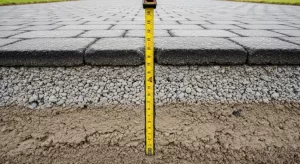
A typical driveway sub-base in the UK should be between 100mm and 250mm deep, depending on ground conditions and the type of traffic it will تحمل. Heavier vehicles or weaker soil will require a deeper and more reinforced base.
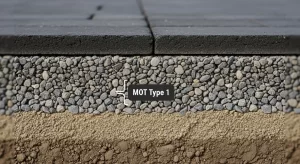
Proper layering and compaction of materials like MOT Type 1 are crucial. Without the correct depth and preparation, even a high-quality surface can fail prematurely.
Is Type 1 suitable for driveways?
Yes, MOT Type 1 is one of the most commonly used materials for driveway sub-bases. It consists of crushed stone that compacts tightly to form a strong and stable foundation.
When laid and compacted correctly in layers, it provides excellent load-bearing support. This makes it ideal for both residential and heavy-use driveways, especially when combined with professional installation practices.
Build It Right from the Ground Up
A long-lasting driveway starts below the surface. While resin thickness plays a key role, the sub-base depth is what truly determines durability and performance.
By combining the correct sub-base depth with the right resin thickness, you create a driveway that can handle daily use, weather conditions, and time itself. Cutting corners may save money upfront, but it often leads to costly repairs later.
If you want a driveway built properly, with the right preparation, drainage, and finishing detail, working with experienced professionals makes all the difference.
At East Herts Driveways, we focus on doing the job right from the first visit to final clean-up. Get in touch today for honest advice and a clear, no-pressure quotation.