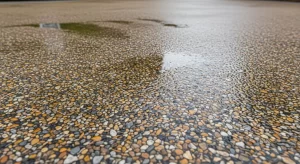
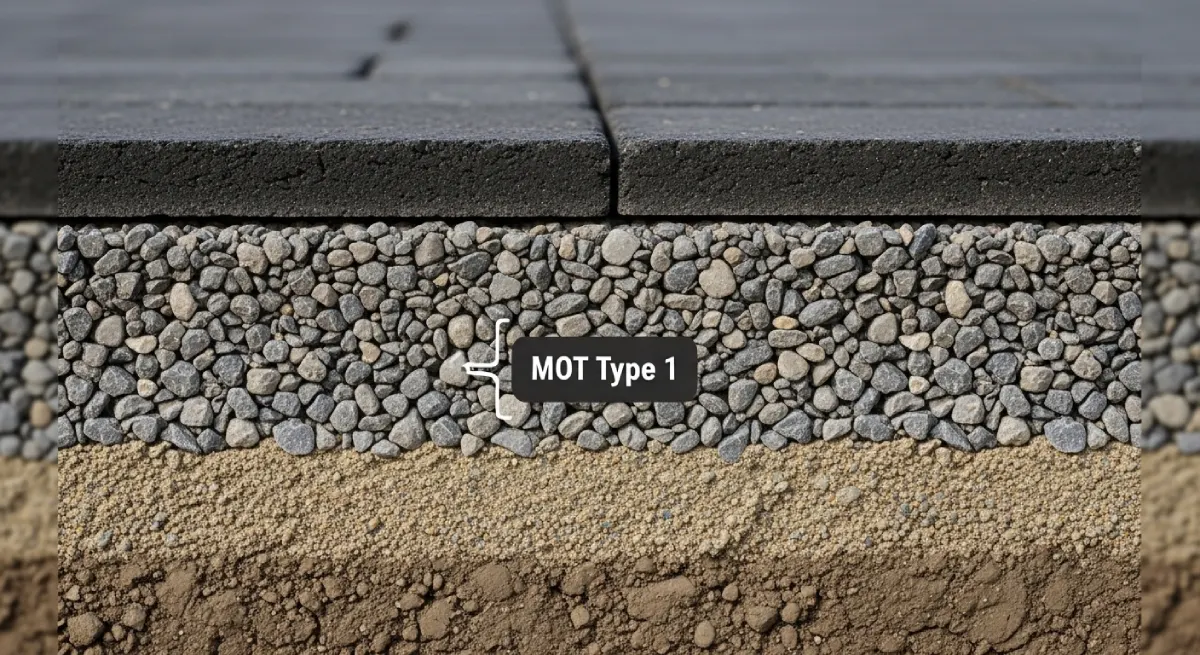
A driveway may look strong on the surface, but its true performance depends on what lies beneath. Many homeowners focus on materials like block paving or resin, yet overlook the most critical layer, the sub-base. Without a proper foundation, even the best driveway can crack, sink, or fail prematurely.
This is where MOT Type 1 becomes essential. As the UK’s industry-standard sub-base material, it provides strength, stability, and long-term durability. Whether you’re planning a new driveway installation Hertfordshire or upgrading an existing surface, understanding this layer is key.
Professional driveway installers rely on MOT Type 1 to create a solid base that supports heavy vehicles, prevents movement, and ensures lasting results. In this guide, we’ll explore why it’s used, how it works, and why it’s critical for your driveway’s success.
Key Reasons MOT Type 1 is Used Under Driveways
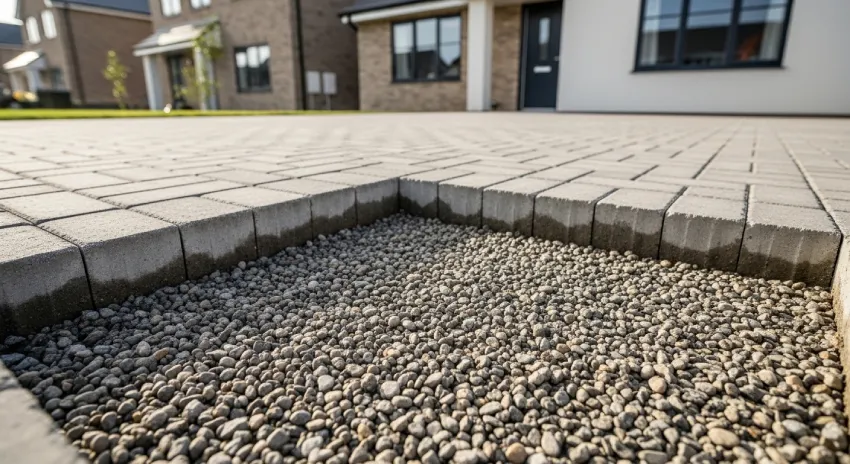
MOT Type 1 plays a vital role in ensuring a driveway performs well under pressure. It is not just a filler material but a carefully engineered sub-base designed to handle structural demands, environmental conditions, and long-term usage.
- High-strength compactable material
- Excellent load distribution
- Prevents structural failure
- Supports drainage and frost resistance
- Approved to UK standards (Clause 803)
High Compaction Creates a Solid, Stable Base
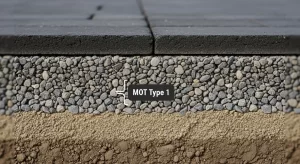
MOT Type 1 is made from crushed stone, including limestone or granite, blended with fine particles. This mix allows it to compact tightly, forming a dense and interlocked structure beneath the surface.
When compacted properly, the particles bind together, eliminating movement. This creates a firm base that resists shifting, even under constant vehicle use. This stability is essential for maintaining the integrity of the top layer. Without it, driveways can quickly develop uneven surfaces or weak spots.
Professional driveway installers Hertfordshire understand the importance of proper compaction. Using specialist equipment ensures the sub-base achieves maximum strength and durability.
Strong Load-Bearing Capacity for Vehicles
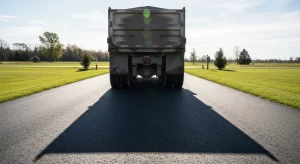
Driveways must support significant weight daily, from cars to delivery vehicles. MOT Type 1 is specifically designed to distribute this load evenly across the entire surface. By spreading the pressure, it prevents stress points from forming. This reduces the risk of cracking in materials like tarmac, concrete, or block paving.
Without this load-bearing capability, the surface layer alone would struggle to withstand repeated use. Over time, this leads to costly damage and repairs. For any driveway installation Hertfordshire, ensuring a strong load-bearing foundation is a critical step that cannot be overlooked.
Prevents Sinking and Long-Term Subsidence
One of the most common driveway issues is sinking or subsidence. This occurs when the ground beneath the surface is unstable or poorly prepared.
MOT Type 1 prevents this by packing down densely, removing air gaps and creating a solid base. This ensures the driveway remains level and stable over time.
The result is a smooth, even surface that does not develop dips or hollows. This is particularly important for long-term performance. Experienced driveway installers always prioritise proper groundwork to avoid these issues from the outset.
Effective Drainage and Frost Resistance
Despite its dense structure, MOT Type 1 still allows water to drain through. This prevents water from pooling beneath the driveway, which can weaken the base. Proper drainage is especially important in the UK climate, where heavy rain and cold temperatures are common.
In winter, trapped water can freeze and expand, causing “frost heave.” MOT Type 1 helps prevent this by allowing moisture to disperse safely. This ensures the driveway remains strong and undamaged throughout seasonal changes.
Meets UK Industry Standards for Driveway Construction
MOT Type 1 is approved under the Department of Transport specification (Clause 803). This makes it the trusted standard for both highways and residential driveways.
Using this material ensures that your driveway meets professional construction requirements. It provides consistency, reliability, and proven performance.
For homeowners, this means peace of mind knowing the foundation is built to recognised standards. Choosing professional driveway design solutions Hertfordshire ensures these specifications are followed correctly from start to finish.
How Deep Should MOT Type 1 Be Under a Driveway?
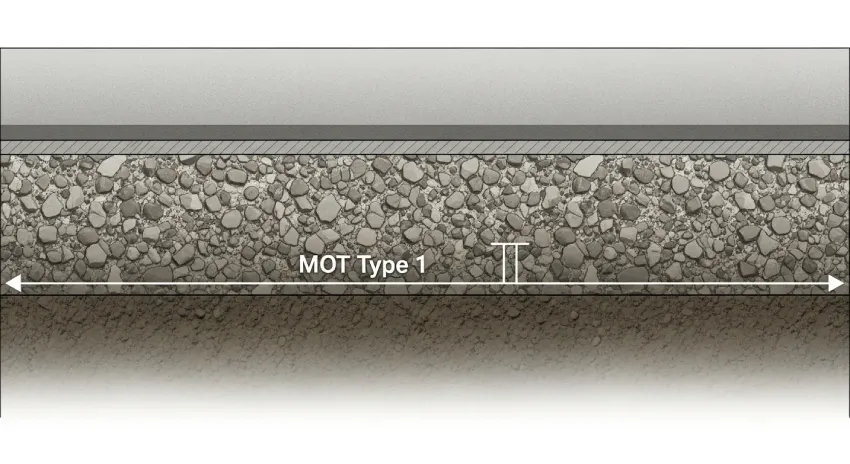
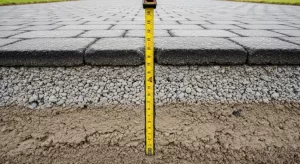
The depth of MOT Type 1 is a key factor in determining the strength and longevity of a driveway. A properly installed sub-base ensures the surface can handle daily use without failure.
- Typical depth: 100mm to 150mm
- May vary depending on soil conditions
- Increased depth required for heavier vehicles
In most cases, a depth of 100mm to 150mm is sufficient for standard residential driveways. This provides a strong and stable base for cars and light vehicles.
However, ground conditions can affect this requirement. Softer or unstable soil may require a deeper sub-base to ensure proper support. Compaction is just as important as depth. The material should be laid in layers and compacted thoroughly to achieve maximum strength.
Professional driveway installers Hertfordshire assess each site individually to determine the correct depth and installation method.
What Happens Without a Proper MOT Type 1 Sub-Base?
Skipping or poorly installing the sub-base can lead to serious problems. Without MOT Type 1, the driveway lacks the structural support needed for long-term performance.
Cracking Surfaces
Without a stable base, pressure from vehicles is not evenly distributed. This causes stress points in the surface material. Over time, these stress points lead to cracks that can quickly worsen, reducing both the appearance and lifespan of the driveway.
Sinking or Rutting
A weak foundation allows the surface to shift under weight. This leads to visible dips and uneven areas. Rutting is especially common in driveways with frequent use, making the surface unsafe and difficult to use.
Water Pooling
Without proper drainage, water can collect on or beneath the driveway. This weakens the structure over time and can lead to surface damage or algae growth. MOT Type 1 helps manage water flow, reducing the risk of these problems.
Crafted on Solid Ground – Why Homeowners Trust Our Driveway Expertise?
Choosing the right contractor is just as important as choosing the right materials. A properly installed driveway depends on experience, attention to detail, and quality workmanship.
At East Herts Driveways, we specialise in delivering high-quality driveways built on strong, reliable foundations.
- Over 20 years of hands-on experience
- Specialists in groundwork and sub-base preparation
- Expert guidance on materials and finishes
- Focus on durability, drainage, and long-term performance
- Clean, tidy, and professional installation standards
We don’t just install driveways, we build them to last. Every project is approached with precision, ensuring the correct depth, compaction, and structural integrity from the ground up.
Proudly Installing Driveways Across Hertfordshire and Beyond
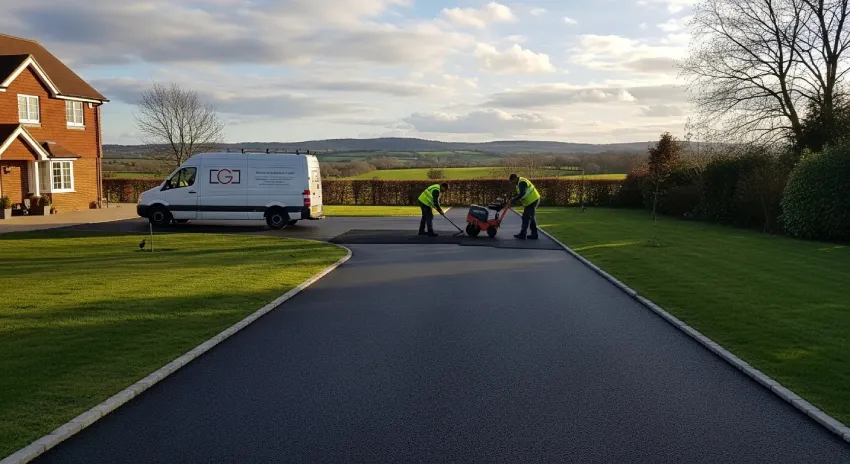
If you’re searching for reliable driveway installers Hertfordshire, East Herts Driveways provides professional services across a wide area.
We cover:
- Hertfordshire
- Essex
- Bedfordshire
- Buckinghamshire
- North London
From full driveway installation Hertfordshire to tailored driveway design solutions Hertfordshire, we manage every stage—from planning to completion.
Contact Details:
📍 Yard 8, Stonebury Farm, Hare Street, Buntingford, Hertfordshire, UK
📧 quotes@easthertssurfacing.co.uk
📞 +44 (0) 8000 548448
Opening Hours:
Monday – Friday: 09:00 – 17:00
Saturday: 09:00 – 15:00
Sunday: Closed
Get in touch today for a free, no-obligation survey and expert advice.
FAQs
Is a resin driveway permeable?
Yes, resin-bound driveways are fully permeable. This means water can pass through the surface and drain naturally into the ground below, helping to prevent puddles and surface water build-up.
This permeability also supports Sustainable Drainage Systems (SuDS) regulations, making resin a popular choice for modern driveway installations. However, proper groundwork, including a well-installed MOT Type 1 sub-base, is still essential to ensure effective drainage and long-term performance.
What is the best driveway material?
The best driveway material depends on your budget, style preferences, and how the driveway will be used. Resin-bound, block paving, and tarmac are all excellent options, each offering different benefits in terms of appearance, maintenance, and durability.
However, regardless of the surface you choose, the most important factor is the quality of the foundation. A properly installed MOT Type 1 sub-base ensures that any material performs well and lasts for years.
What is the depth of a driveway sub-base?
A typical driveway sub-base is installed at a depth of 100mm to 150mm once compacted. This provides a strong, load-bearing foundation suitable for most residential vehicles.
In cases where the ground is soft or the driveway will bear heavier loads (such as vans or multiple vehicles), a deeper sub-base may be required. Professional driveway installers will assess the site conditions to determine the correct depth for long-term stability.
How thick should a resin driveway be?
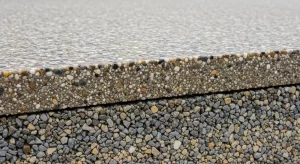
A resin-bound driveway is usually laid at a thickness of 15mm to 20mm. This is applied on top of a solid and properly prepared base, typically consisting of MOT Type 1 and either asphalt or concrete.
The thickness ensures a smooth, durable finish while maintaining permeability. Without a strong sub-base beneath, even the correct resin thickness will not prevent cracking or movement over time.
Strong Foundations, Stronger Driveways
A driveway is only as strong as the foundation beneath it. MOT Type 1 provides the stability, durability, and performance needed to ensure long-lasting results. From load-bearing strength to drainage and frost resistance, it plays a critical role in every successful driveway project.
If you’re planning a new driveway, investing in proper groundwork is essential. With experienced driveway installers Hertfordshire, you can be confident your driveway will stand the test of time. Contact East Herts Driveways today for expert advice, quality workmanship, and a driveway built to last.