Maintaining a driveway in the UK can often feel like a never-ending job, especially with unpredictable weather accelerating wear. Many homeowners struggle to find practical, affordable solutions to preserve their driveways against cracking, fading, and damage.
Fortunately, seal coating your driveway offers a protective barrier that extends its life while enhancing its appearance. But how exactly do you do it properly to get professional results at home?
This comprehensive guide from East Herts Surfacing & Driveways, serving Hertfordshire, Essex & the surrounding areas, breaks down the entire driveway sealing process in the UK. From preparation to finishing touches, understanding this process helps you avoid common pitfalls and ensures your driveway stays resilient and looks great year after year.
Step-by-Step: How to Seal Coat a Driveway Properly?
Applying driveway seal coat the right way ensures long-lasting protection and a clean finish. From masking edges to choosing the right tools and techniques, these practical steps help UK homeowners achieve even coverage, avoid common mistakes, and get professional-looking results.
Masking Edges and Drains
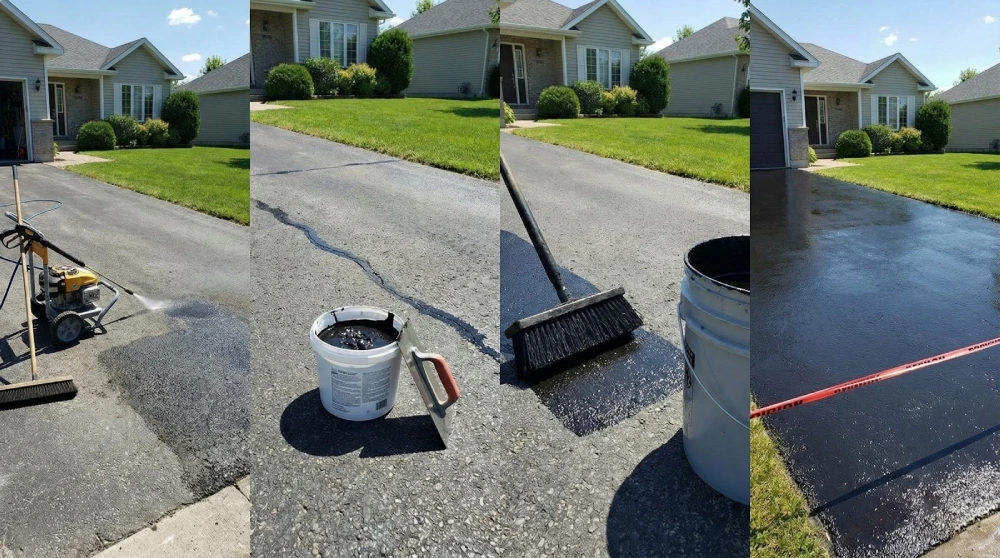
Preparation is key for effective driveway seal coating in Hertfordshire and Essex. Start by masking off edges where the driveway meets lawns, flowerbeds, or concrete paths. Use painter’s tape to protect these areas, preventing unwanted spillover of sealant.
Similarly, cover any drainage points carefully to avoid clogging. This step saves time in cleanup and guards adjacent surfaces from damage by the sealant. Taking this precaution ensures a neat, professional finish, especially for DIY driveway sealing UK projects.
Mixing Sealant Correctly
Before applying, stir your sealant thoroughly. Sealants tend to separate during storage, with solids settling at the bottom and liquids on top. Use a paint stirrer, drill attachment, or a sturdy paddle to blend the contents fully.
Stirring from the bottom up makes sure your driveway sealant UK has even consistency, critical for uniform coverage. Proper mixing also impacts drying times and adhesion, so don’t rush this step for the best results.
Application Techniques (Roller vs Squeegee)
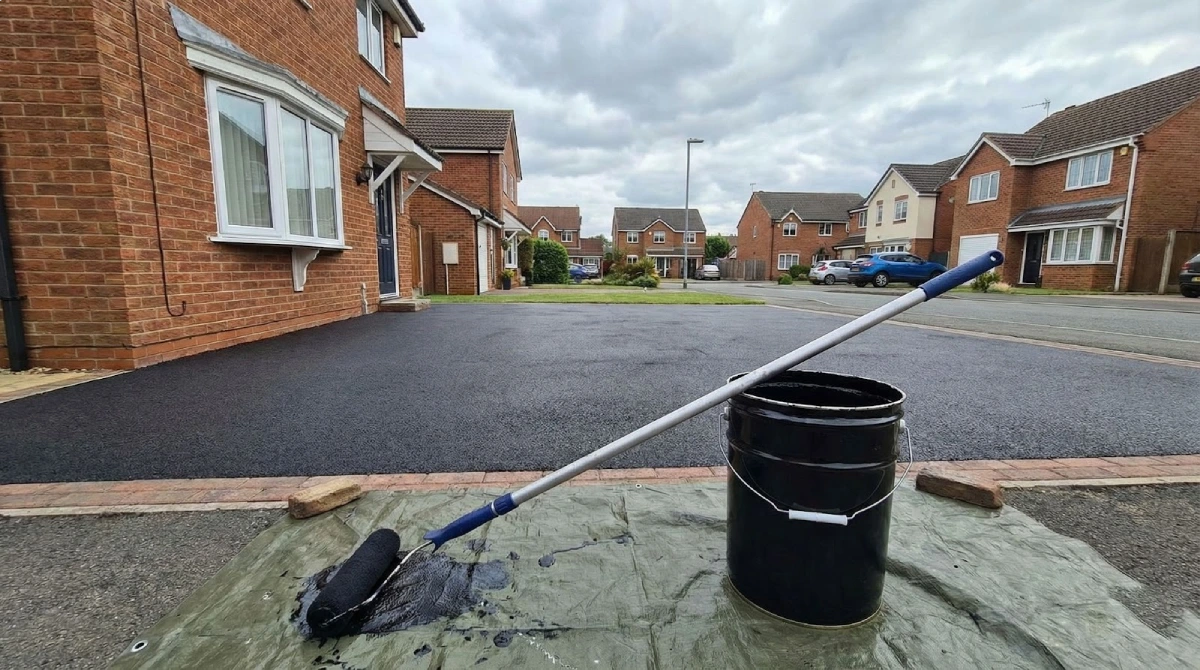
Choosing between a roller and a squeegee depends on your driveway surface and personal preference. A squeegee often proves more efficient for tarmac driveway sealing UK, allowing quick, even distribution over a wide area. It helps work sealant into cracks and pits seamlessly.
Rollers can offer more control for concrete driveway sealing UK or detailed edges, but may require additional passes to avoid streaks. Combining both tools is common among driveway sealing services near me.
Working in Sections for Even Coverage
To avoid visible seams or patchy areas, apply seal coat in manageable sections. Start from the top of the driveway and work toward the exit point. Maintain a wet edge by blending fresh sealant into recently coated sections. This keeps coverage consistent and prevents lines from forming.
Use slow, deliberate strokes to spread the sealant thinly and evenly, reducing the chance of puddling.
Avoiding Puddling and Streaks
Prevent puddling by spreading sealant uniformly with frequent checks. High spots accumulate less, while low spots collect excess sealer. Waiting too long before smoothing can lead to uneven textures or streaks.
Applying a thin coat initially helps the sealant dry faster, minimizing this risk and contributing to the driveway sealing benefits UK homeowners seek.
Second Coat (If Needed)
For older or heavily weathered driveways, a second coat often boosts durability and appearance. Allow 24-48 hours for the first coat to dry completely before reapplying.
Second coatings should be thinner to enhance bonding without causing buildup. This step is especially recommended in the Essex and Hertfordshire regions, where the climate can be quite damp.
UK Driveway Types That Can Be Seal Coated
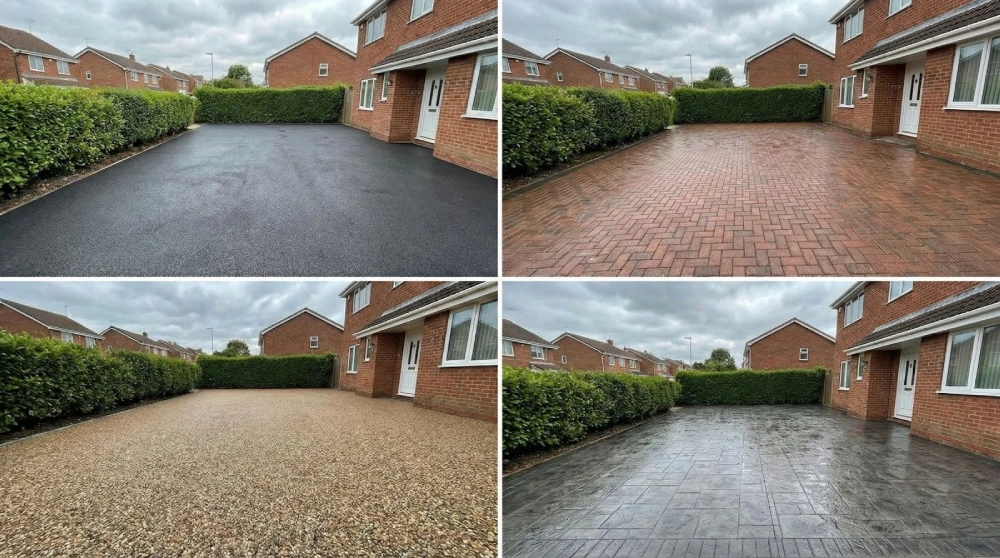
Not all UK driveways respond the same to seal coating. Tarmac, concrete, block paving, and resin-bound surfaces each require specific sealants and techniques to maximise protection, enhance appearance, and extend lifespan, making the right approach essential for lasting results.
Tarmac / Asphalt – Best Candidate
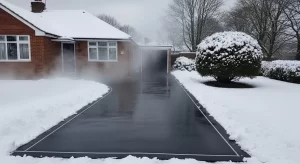
Tarmac driveways are among the best candidates for seal coating in the UK. Sealants protect against UV damage, oil stains, and freeze-thaw cycles that cause cracking.
Regular tarmac driveway sealing UK also improves appearance with a rich black ‘wet look’ finish, restoring curb appeal instantly. It’s a cost-effective way to prolong the pavement lifespan while reducing costly repairs.
Concrete – Sealing Benefits and Limitations
Concrete driveways benefit from sealants by reducing water penetration and surface staining. However, the selection of concrete driveway sealer UK products is narrower, as some may cause yellowing or improper curing.
Consulting a driveway sealing professional in the UK or local experts ensures choosing a compatible product. Seal coating can also minimize dust and surface erosion on concrete.
Block Paving – Joint Sand + Sealant Combo
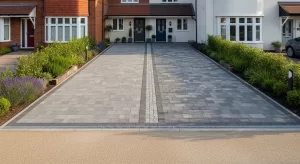
Block paving requires a two-step approach: refill joint sand first, then apply block paving driveway sealing UK sealant. The sealer locks sand in place, preventing weed growth and joint erosion, while enhancing color. Proper sealing extends the lifespan and maintains the visual charm of block paving surfaces.
Resin Bound Driveways
Resin-bound driveways need specialist sealants designed to protect binding resins without impairing breathability. Seal coating resin driveways UK improves UV resistance and stain protection, with minimal risk of yellowing or cloudiness. This targeted treatment helps maintain the distinct look associated with resin surfaces.
Timing Is Everything: When to Seal Coat a Driveway in the UK?
Timing plays a crucial role in successful driveway seal coating in the UK. Choosing the right season, temperature range, and waiting period after installation ensures proper curing, long-lasting protection, and a smooth, professional finish without moisture-related issues.
Best Months
Spring through early autumn offers the best window for driveway sealing in Hertfordshire and Essex. April to September presents milder weather without heavy rain, ideal for dry times.
Avoid winter months due to cold and moisture impacting curing. Monitoring forecasts helps pick a 2-3 day dry stretch for optimal results.
Ideal Temperature Range
Ideally, temperatures should range between 60-90°F (15-32°C) for seal coating work in the UK. This range supports proper drying without trapping moisture or causing sealant to sag. Temperatures below 50°F slow curing dramatically, while temperatures above 90°F may cause premature drying on tools.
Time After Installation
Newly laid driveways require at least 3-6 months of curing before applying any seal coat. This waiting period ensures sub-layers are set and prevents trapping moisture, which can cause bubbling or peeling. Check with your driveway installer or sealing product guides for specific recommendations.
Professional Driveway & Patio Services in Hertfordshire, Essex & Surrounding Counties
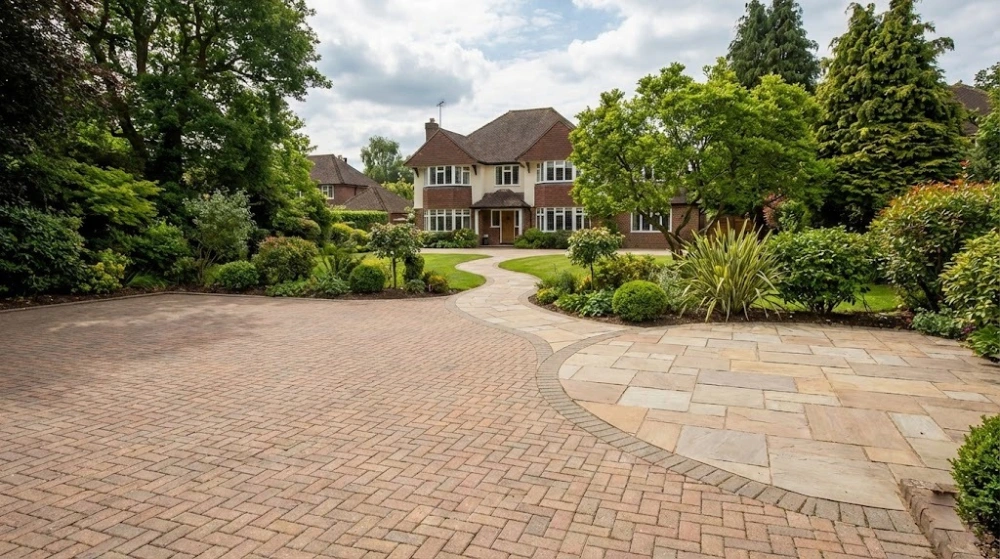
East Herts Surfacing & Driveways specialises in expert driveway and patio installations across Hertfordshire, Essex, Bedfordshire, Cambridgeshire, and Oxfordshire. With 20+ years of experience, we create strong, stylish, and low-maintenance outdoor surfaces.
Why Choose Our Team:
- Qualified tradesmen using high-quality materials
- Resin Bound, Resin Bonded Gravel, Block Paving, Porcelain & Natural Stone options
- Full groundwork support, including sub-base preparation and drainage
- Coverage across St Albans, Watford, Hemel Hempstead, Luton, Cambridge, Oxford, and more
- Dependable, on-time project delivery
- Added kerb appeal and long-term property value
Our UK Location
East Herts Surfacing & Driveways is based in Buntingford, Hertfordshire, providing professional driveway and surfacing services across the region. Our operational base allows us to respond quickly to enquiries and carry out site visits efficiently.
Office Address: Yard 8, Stonebury Farm, Hare Street, Buntingford, Hertfordshire, UK
Telephone: +44 800 054 8448
Specialists In:
- Driveway installations
- Surface repairs and refurbishments
Serving residential and commercial clients throughout Hertfordshire, we make it easy to plan your next project. Contact us or visit during office hours to get started.
Office Hours:
- Monday–Friday: 09:00–17:00
- Saturday: 09:00–15:00
- Sunday: Closed
Professional Driveway & Patio Installations Across Southern UK Counties
East Herts Surfacing & Driveways specialises in driveway, patio, and surfacing solutions across Hertfordshire, Essex, Bedfordshire, Cambridgeshire, and Oxfordshire. Our local expertise ensures durable construction and stylish finishes on every project.
Coverage Areas:
- Hertfordshire: St Albans, Watford, Hemel Hempstead, Stevenage, Hitchin, Welwyn Garden City, Hatfield
- Essex: Harlow, Epping, Chelmsford, Brentwood, Braintree
- Bedfordshire: Luton, Dunstable, Bedford, Leighton Buzzard
- Cambridgeshire: Cambridge, Ely, St Neots, Huntingdon
- Oxfordshire: Oxford, Banbury, Bicester, Didcot
We deliver dependable, low-maintenance driveway and patio installations that enhance the appearance and value of your property.
FAQs
Should I repair cracks in a concrete driveway before I seal coat my driveway?
Yes, repairing cracks before you seal coat a driveway is essential. Crack repair prevents water damage, improves adhesion, and extends the lifespan of the sealant, giving your concrete driveway a smoother, longer-lasting finish.
How long after sealing a driveway can I use it, and how does this compare to resin driveways?
Typically, you should wait 24–48 hours after you seal your driveway before use. While seal coating offers periodic protection, resin driveways last longer overall but require higher upfront installation and maintenance costs.
Is seal coating more cost-effective than repaving a driveway or installing a stone driveway?
Seal coating is far more affordable than repaving or installing a stone driveway. It refreshes appearance, protects against damage, and delays major repairs, making it a smart maintenance option for extending driveway life.
How does resin driveway cost compare to seal coating, and which option is better long-term?
Resin driveway cost is significantly higher than seal coating. Seal coating offers affordable, repeatable protection, while resin driveways provide durability and aesthetics. The best choice depends on budget, usage, and long-term maintenance expectations.
Expert Driveway Sealing Tips for UK Homeowners
Seal coating your driveway is one of the smartest investments homeowners in Hertfordshire, Essex, and surrounding areas can make. It protects your pavement from harsh UK elements, improves curb appeal, and extends lifespan, all at a fraction of the cost to replace or repair.
Following proper preparation, application, and timing elevates your DIY driveway sealing UK results to a professional standard. Whether you have tarmac, concrete, block paving or resin, knowing exactly how to seal a driveway UK ensures you get that rich wet look and protective finish every time.For trusted advice or driveway sealing services near me, East Herts Surfacing & Driveways are your local experts ready to guide or assist with your project.