Sharing a driveway might sound simple, but in reality, it often leads to disputes, access issues, drainage problems, and unexpected costs. Many UK homeowners jump into shared driveway projects without fully understanding legal rights, layout requirements, or long-term maintenance responsibilities.
This lack of planning can quickly turn a practical solution into a costly headache, especially when disagreements arise with neighbours or poor materials lead to frequent repairs like concrete driveway repair or cement driveway crack repair.
The good news? With the right design approach, legal clarity, and professional execution, you can create a shared driveway that’s durable, compliant, and hassle-free. Today, we’ll walk you through exactly how to do it the right way, step by step.
Designing a Shared Driveway in the UK
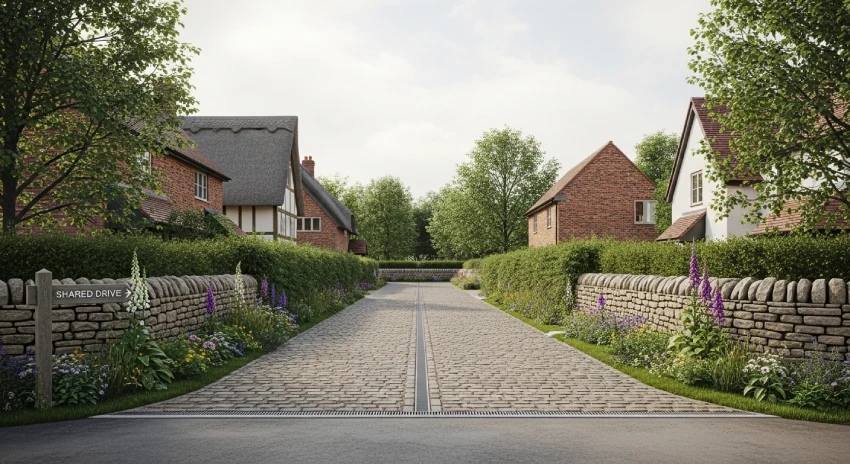
Designing a shared driveway in the UK requires balancing practicality, legal compliance, and long-term durability. From correct dimensions to choosing the right materials and ensuring proper drainage, every detail matters to avoid disputes and costly fixes later.
Dimensions & Layout Planning for Shared Access
The layout of your shared driveway plays a critical role in usability and safety. A poorly designed driveway can create daily inconvenience, especially when two households rely on it simultaneously.
In most UK cases, a shared driveway should be at least 3 to 4 meters wide. This ensures comfortable two-way access or allows one vehicle to pass while another waits safely. If space is limited, incorporating passing bays is a smart alternative.
Planning the layout also involves considering turning areas and parking zones. Without proper planning, vehicles may block access or damage edges, leading to future concrete drive repair needs.
Key layout considerations include:
- Minimum width of 3–4 meters
- Turning space for easy manoeuvring
- Separate parking zones for each property
- Safe entry and exit points
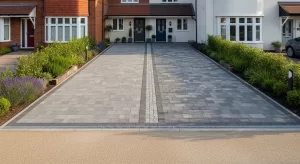
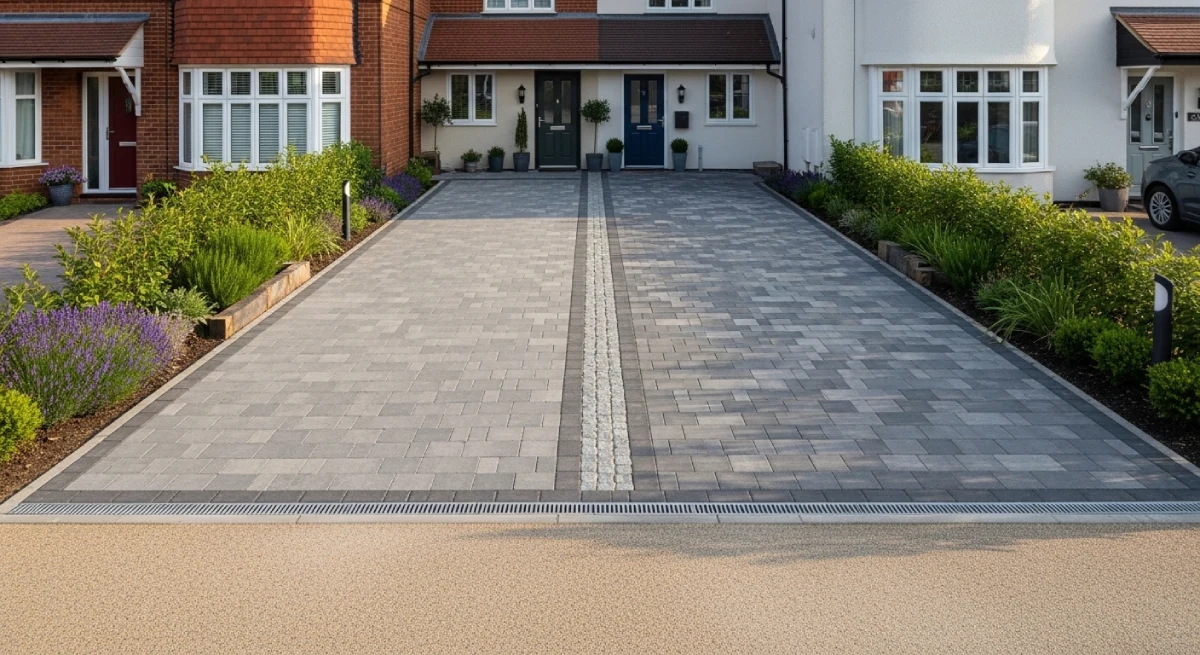
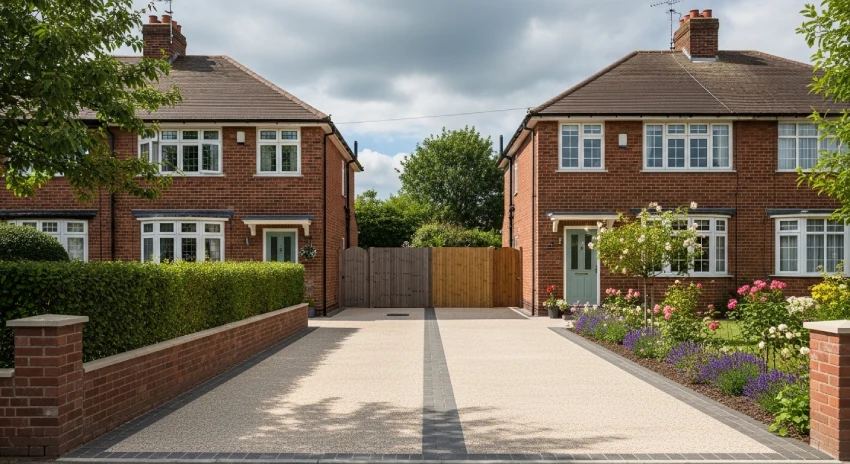
Additionally, clear visual separation between sections can help avoid confusion. Instead of physical barriers, subtle changes in paving or edging can define ownership while maintaining a cohesive look.
Choosing the Right Surface Materials
Selecting the right material is essential because shared driveways experience higher traffic than standard ones. Using low-quality materials often leads to early damage and increased repaving driveway costs.
Popular options in the UK include tarmac, concrete, block paving, and gravel. Each material has its advantages, depending on budget, durability, and aesthetics.
Tarmac is cost-effective and durable, making it ideal for heavy use. Concrete offers longevity but may require cement driveway repair over time due to cracking. Block paving provides a premium look and easy repair options, while gravel is budget-friendly but requires regular maintenance.
If you’re looking for modern solutions, resin bound driveways Hertford are becoming increasingly popular due to their durability, permeability, and sleek finish.
Important material factors:
- Durability under heavy traffic
- Maintenance requirements
- Drainage compatibility (SuDS compliance)
- Overall driveway paving cost and long-term value
Choosing wisely can reduce future expenses like concrete driveway repair or surface replacements.
Drainage, Visibility & Safety Features
Drainage is one of the most critical aspects of designing a shared driveway in the UK. Improper drainage can lead to water pooling, surface damage, and even legal issues under UK regulations.
Sustainable Drainage Systems (SuDS) require driveways to either be permeable or direct water to a drainage solution such as a soakaway. Materials like resin or permeable block paving are excellent choices for compliance.
Visibility and safety should also be prioritised. Poor visibility can lead to accidents, especially on shared access points. Adding motion-sensor lighting improves safety during night-time use.
To enhance usability:
- Use contrasting materials to define zones
- Install motion-activated lighting
- Add edging, bollards, or hedges for subtle separation
- Ensure clear sightlines for vehicles
A well-designed driveway reduces the risk of accidents and costly fixes like cement driveway crack repair caused by water damage.
Legal Requirements for Shared Driveways in the UK
Legal clarity is essential when designing a shared driveway. Without proper agreements and understanding of rights, disputes can arise, potentially leading to costly legal action or restricted access.
Rights of Way and Ownership Agreements
Understanding rights of way is crucial before starting any shared driveway project. These rights are usually documented in property title deeds and define who can use the driveway and how.
If rights are unclear, disputes can arise over access, parking, or maintenance responsibilities. This is why it’s strongly recommended to consult a solicitor before beginning construction.
A legal agreement should clearly outline:
- Ownership boundaries
- Access rights for each property
- Parking rules and restrictions
- Maintenance responsibilities
Having everything documented protects both parties and ensures long-term harmony.
Planning Permission and Regulations
In most cases, shared driveways in the UK do not require planning permission if permeable materials are used or proper drainage systems are installed.
However, larger projects or those involving significant changes may require approval from the local council. It’s always best to check local guidelines before starting work.
Ignoring regulations can result in fines or forced alterations, increasing overall driveway paving prices.
Important considerations:
- Use permeable materials to avoid permission requirements
- Ensure compliance with SuDS regulations
- Check local council policies for large-scale projects
Following regulations ensures your driveway is both legal and future-proof.
Best Practices for Shared Driveway Design
A successful shared driveway isn’t just about construction, it’s about long-term usability, cooperation, and maintenance planning.
Communication and Neighbour Agreement
Early communication with neighbours is essential to avoid misunderstandings. Discussing plans upfront helps align expectations and ensures everyone agrees on layout, materials, and costs.
Without clear communication, even small issues can escalate into major disputes. Agreeing on design elements like parking spaces and boundaries early on prevents future conflicts.
Key discussion points:
- Layout and access routes
- Material choices and costs
- Maintenance responsibilities
- Visitor parking arrangements
Clear communication builds trust and ensures a smoother project.
Maintenance Planning and Cost Sharing
Shared driveways require ongoing maintenance, and without a plan, disagreements can arise over costs and responsibilities. A formal agreement should include how expenses will be shared for repairs such as concrete driveway repair or resurfacing.
Regular maintenance helps prevent expensive issues like:
- Surface cracking
- Drainage problems
- Wear from heavy traffic
Planning ahead ensures fairness and keeps the driveway in excellent condition.
Why East Herts Driveway Is Your Trusted Shared Driveway Partner?
Choosing the right contractor is just as important as the design itself. At East Herts Driveway, we combine over 20 years of experience with expert craftsmanship to deliver durable and compliant shared driveway solutions.
We understand the complexities of shared driveway projects, from legal considerations to material selection and long-term durability.
What sets us apart:
- Over 20 years of industry experience
- Competitive driveway paving costs with transparent pricing
- Expertise in repairs like concrete driveway repair and cement driveway crack repair
- Free surveys and no-obligation quotes
- High-quality workmanship for both residential and commercial projects
Whether you’re planning a new driveway or need repairs, our team ensures lasting results.
Visit Our Hertfordshire Location for Expert Driveway Solutions
We are based at: Yard 8, Stonebury Farm, Hare Street, Buntingford, Hertfordshire, United Kingdom
Our office hours:
- Monday – Friday: 09:00 – 17:00
- Saturday: 09:00 – 15:00
- Sunday: Closed
Contact us:
- 📞 +44 (0) 8000 548448
- 📧 quotes@easthertssurfacing.co.uk
- 📍 View on Google Maps
Visit us for expert advice, material options, and tailored solutions for your driveway project.
Areas We Cover Across East Hertfordshire
We proudly serve customers across East Hertfordshire and surrounding areas, providing professional driveway installation, repair, and surfacing services.
Our services include:
- New driveway installations
- Concrete drive repair and resurfacing
- Resin and block paving solutions
- Commercial and residential surfacing
If you’re searching for a reliable driveway specialist Hertford, our team is ready to help with expert guidance and competitive pricing.
Frequently Asked Questions
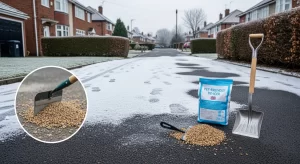
How do I de-ice a shared driveway safely?
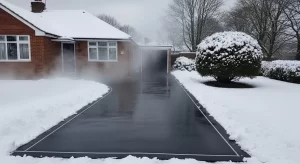
De-icing a shared driveway should be done carefully to avoid surface damage. Avoid using rock salt on concrete or block paving, as it can cause deterioration over time.
Instead, use calcium magnesium acetate or sand for traction. These alternatives are safer and reduce the risk of needing cement driveway repair later. Always communicate with neighbours before applying any treatment to ensure mutual agreement.
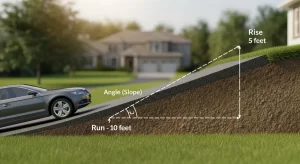
How do I calculate the gradient and slope of a driveway?
The ideal driveway slope in the UK is typically between 1:60 and 1:20. This ensures proper drainage without making the surface too steep for vehicles.
To calculate it, divide the height difference by the length of the driveway. A professional assessment is recommended to avoid drainage issues that could increase driveway paving costs due to future repairs.
Can tree roots damage a shared driveway?
Yes, invasive tree roots can cause serious structural damage to shared driveways. They can lift paving, crack concrete, and disrupt drainage systems.
Preventative measures include installing root barriers and choosing appropriate materials. If damage occurs, timely concrete driveway repair or cement driveway crack repair is essential to maintain safety and usability.
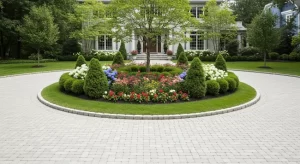
How do I design a circular shared driveway?
Designing a circular shared driveway requires more space but offers improved traffic flow and convenience. It’s ideal for larger properties where multiple vehicles need easy access.
Ensure proper drainage and clear separation zones for each property. Professional planning helps minimize repaving driveway costs and ensures long-term durability.
Can a shared driveway be used for multiple purposes?
Yes, a shared driveway can serve multiple purposes such as parking, access, and even outdoor space. However, careful design is required to avoid conflicts between users.
Clearly defined zones and durable materials are essential. Multi-purpose use increases wear, so regular maintenance and occasional concrete drive repair may be necessary.
Build a Shared Driveway That Works for Everyone
Designing a shared driveway in the UK requires more than just laying down materials, it demands thoughtful planning, legal clarity, and expert execution. From choosing the right layout and materials to ensuring proper drainage and neighbour agreements, every step plays a crucial role.
By following best practices and working with experienced professionals like East Herts Driveway, you can create a durable, compliant, and hassle-free shared driveway. Invest in quality design today to avoid costly repairs and disputes tomorrow.