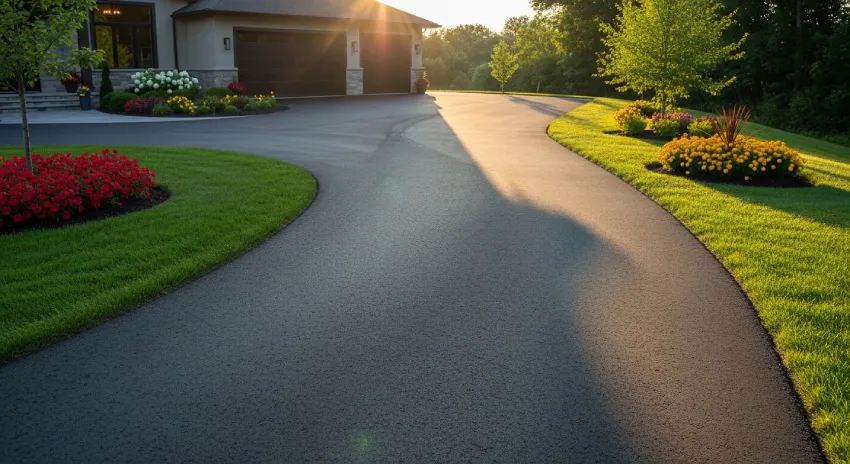
A driveway might look simple on the surface, but what lies beneath determines how long it truly lasts. Many homeowners focus on the finish, yet issues like sinking, cracking, and drainage failures often start with a poorly installed sub-base.
Getting the depth wrong can lead to costly problems, including frequent concrete driveway repair or even full replacement. It also directly affects the cost to pave driveway, as cutting corners early often leads to higher long-term expenses.
The solution is understanding the correct sub-base depth, materials, and installation methods used across the UK. In this guide, we break down exactly what depth your driveway sub-base should be and how to ensure a durable, long-lasting result.
Recommended Driveway Sub-Base Depth in the UK
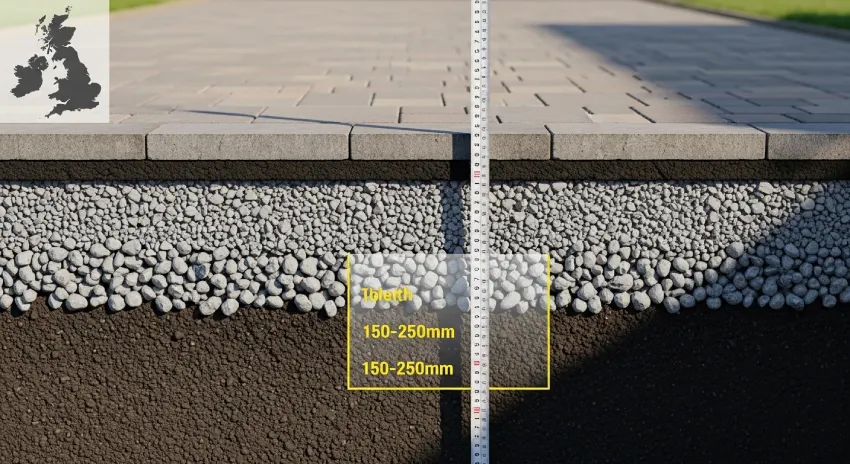
The correct sub-base depth is the foundation of any long-lasting driveway. In the UK, the depth varies depending on usage, but there are clear industry standards that professionals follow for durability and structural integrity.
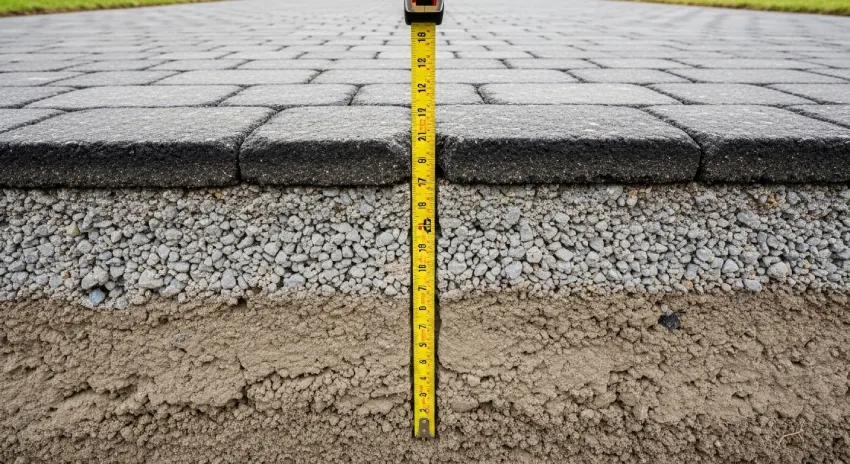
For most residential driveways, the recommended sub-base depth is between 100mm and 150mm after compaction. This provides enough strength to support everyday car traffic without movement or sinking over time.
It’s important to note that this measurement is taken after compaction. Loose material will reduce significantly once compacted, so installers must account for this during installation.
For heavier use, such as vans or caravans, or if the ground is soft, a deeper base of up to 200mm of MOT Type 1 is recommended. This ensures the driveway remains stable and resistant to rutting.
Key points to remember:
- Standard use: 100mm–150mm sub-base
- Heavy use: Up to 200mm
- Depth must be measured after compaction
- Incorrect depth leads to early failure
How Ground Conditions Affect Sub-Base Thickness?
Ground conditions play a major role in determining how deep your driveway sub-base should be. Even with the best materials, poor ground preparation can cause long-term issues.
Clay-heavy soils, common in parts of Hertfordshire, tend to retain water and expand or contract with weather changes. This movement puts pressure on the driveway structure, requiring a thicker sub-base for stability.
On softer or waterlogged ground, increasing the sub-base depth helps distribute weight more effectively. Without this, the driveway may develop dips, cracks, or uneven surfaces over time.
In contrast, well-draining soils like gravel may not require as much depth. However, professional assessment is still essential to ensure consistency across the entire surface.
Factors that influence depth:
- Soil type (clay vs free-draining)
- Moisture levels and drainage
- Existing ground stability
- Load requirements (vehicles)
Total Excavation Depth for a Driveway
Sub-base depth is only part of the picture. The total excavation depth must also accommodate the surface layer and bedding materials to ensure proper levels and drainage.
Typically, driveway excavation ranges between 175mm and 250mm. This includes the sub-base, bedding layer, and the final surface material such as block paving, resin, or tarmac.
Failing to excavate deep enough can lead to raised levels, poor drainage, and weak structural support. It also increases the likelihood of future cement driveway repair due to movement or cracking.
Proper excavation ensures the driveway sits correctly relative to your property and allows water to drain away effectively, preventing pooling or flooding.
Typical layer breakdown:
- Sub-base: 100mm–200mm
- Bedding layer: 30mm–50mm
- Surface layer: varies by material
Best Materials for Driveway Sub-Base
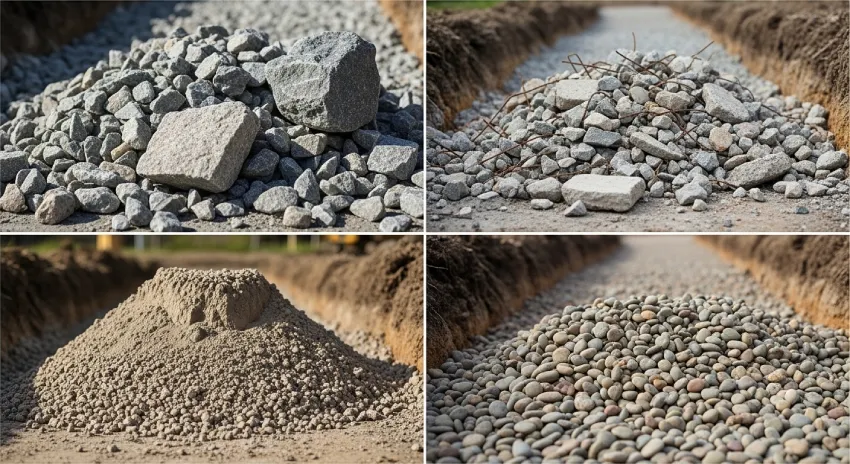
Choosing the right sub-base material is just as important as depth. The correct aggregate ensures load distribution, drainage, and long-term structural integrity.
Using the wrong material can lead to instability, especially under repeated vehicle pressure. This is why professionals rely on proven options like MOT Type 1 and Type 3.
MOT Type 1 – The Industry Standard
MOT Type 1 is a crushed aggregate made from limestone or recycled concrete. It compacts tightly, creating a solid and stable base for most driveway applications.
This material is ideal for standard driveways due to its strength and reliability. When compacted in layers of 50mm–75mm, it forms a dense, load-bearing foundation. Proper compaction using a wacker plate is essential. Skipping this step can result in sinking and costly concrete driveway repair later.
Why choose MOT Type 1:
- Excellent load-bearing capacity
- Strong compaction properties
- Suitable for most driveway types
MOT Type 3 – For Permeable Driveways
MOT Type 3 is designed for permeable systems, making it ideal for SUDS-compliant driveways. It allows water to pass through, reducing surface runoff.
This is commonly used for resin-bound or permeable block paving systems. It supports drainage while maintaining structural integrity. Unlike Type 1, it contains fewer fines, which helps maintain permeability over time.
Best uses for MOT Type 3:
- Resin-bound driveways
- Permeable paving systems
- Drainage-sensitive areas
When You Might Need a Deeper Sub-Base?
Certain situations require a deeper sub-base to ensure long-term performance. Ignoring these factors can lead to structural issues and increased maintenance costs.
Driveways Used by Vans, Caravans, or Heavier Vehicles
Heavier vehicles place more pressure on the driveway. A deeper sub-base of up to 200mm helps distribute this weight and prevent rutting. Without this, the surface may sink or crack prematurely, requiring frequent repairs.
Properties with Poor Drainage
Waterlogged ground weakens the base structure. Increasing sub-base depth improves drainage and reduces the risk of movement. Proper material selection, such as MOT Type 3, can also help in these conditions.
Areas with Frequent Rainfall (UK Relevance)
The UK climate means driveways are regularly exposed to moisture. A deeper, well-compacted base helps maintain stability in wet conditions. This is particularly important in regions like Hertfordshire.
Sloped Driveways Requiring Extra Stability
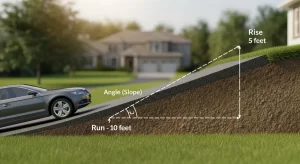
Slopes increase the risk of movement and erosion. A thicker sub-base provides additional support and prevents shifting over time.
Built to Last – Why Homeowners Trust Our Driveway Expertise?
Choosing the right contractor is just as important as choosing the right materials. At East Herts Driveways, we focus on building driveways that last, not just look good initially.
With over 20 years of experience, we understand the importance of correct sub-base depth, proper compaction, and drainage. Every project is approached with attention to detail from start to finish.
We use only proven materials like MOT Type 1 and Type 3, ensuring your driveway is built to withstand daily use and UK weather conditions.
Our process is simple and transparent:
- Step 1 — Site survey & quote
- Step 2 — Preparation & installation
- Step 3 — Final details & handover
We provide honest advice, tidy working practices, and a no-pressure approach. Whether you need installation or cement driveway repair, our team is here to help.
Serving Hertfordshire & Beyond – Where You Can Find Our Driveway Services
If you’re looking for reliable driveway installers in Hertford, East Herts Driveways provides professional services across Hertfordshire and surrounding areas.
We are based at:
Yard 8, Stonebury Farm, Hare Street, Buntingford, Hertfordshire, United Kingdom
Our team works across:
- Hertfordshire
- Essex
- Bedfordshire
- Buckinghamshire
- North London
We specialise in driveways and patios built properly, with the right preparation, drainage considerations, and finishing detail.
Contact us today:
- 📞 Phone: +44 (0) 8000 548448
- 📧 Email: quotes@easthertssurfacing.co.uk
- 🕒 Office Hours:
- Monday – Friday: 09:00 – 17:00
- Saturday: 09:00 – 15:00
If you want a clear, no-pressure assessment, we’re happy to arrange a visit and provide straightforward advice.
FAQs
Is a resin driveway permeable?
Yes, resin-bound driveways are permeable when installed correctly using MOT Type 3 sub-base. This allows water to drain through, reducing surface runoff and meeting SUDS regulations.
What is the best driveway sub-base material?
MOT Type 1 is the most commonly used material due to its strength and compaction ability. For permeable systems, MOT Type 3 is preferred.
How thick should a resin driveway sub-base be?
Typically, a resin driveway requires a sub-base of 150mm–200mm depending on ground conditions and usage.
Is Type 1 suitable for all driveways?
MOT Type 1 is suitable for most standard driveways. However, for drainage-focused installations, Type 3 is a better choice.
Build It Right from the Ground Up
A driveway is only as strong as the foundation beneath it. Getting the sub-base depth right, typically 100mm to 150mm for standard use and up to 200mm for heavier loads, ensures long-term durability and performance.
Combined with proper materials, correct compaction, and careful installation, this approach prevents costly repairs and extends the life of your driveway.
If you’re planning a new driveway or dealing with issues like sinking or cracking, investing in proper groundwork is essential. At East Herts Driveways, we deliver reliable, long-lasting solutions built on experience, quality, and attention to detail.
Get in touch today for expert advice and a clear, honest quotation.