Pressure washing is one of the most popular ways UK homeowners clean their driveways, but it’s not always as safe as it seems. Many people assume a powerful jet of water will simply remove dirt, but in reality, it can cause serious surface damage if used incorrectly.
From loose block paving to cracked concrete, the risks are often overlooked. With the UK’s wet climate and freeze-thaw cycles, even small mistakes during cleaning can lead to long-term structural issues. This is especially true for older driveways or surfaces already showing wear.
The good news is that pressure washing doesn’t have to be risky. With the right techniques, equipment, and professional guidance, you can clean your driveway effectively without causing harm. This guide explains everything you need to know.
Common Ways Pressure Washing Can Damage Your Driveway
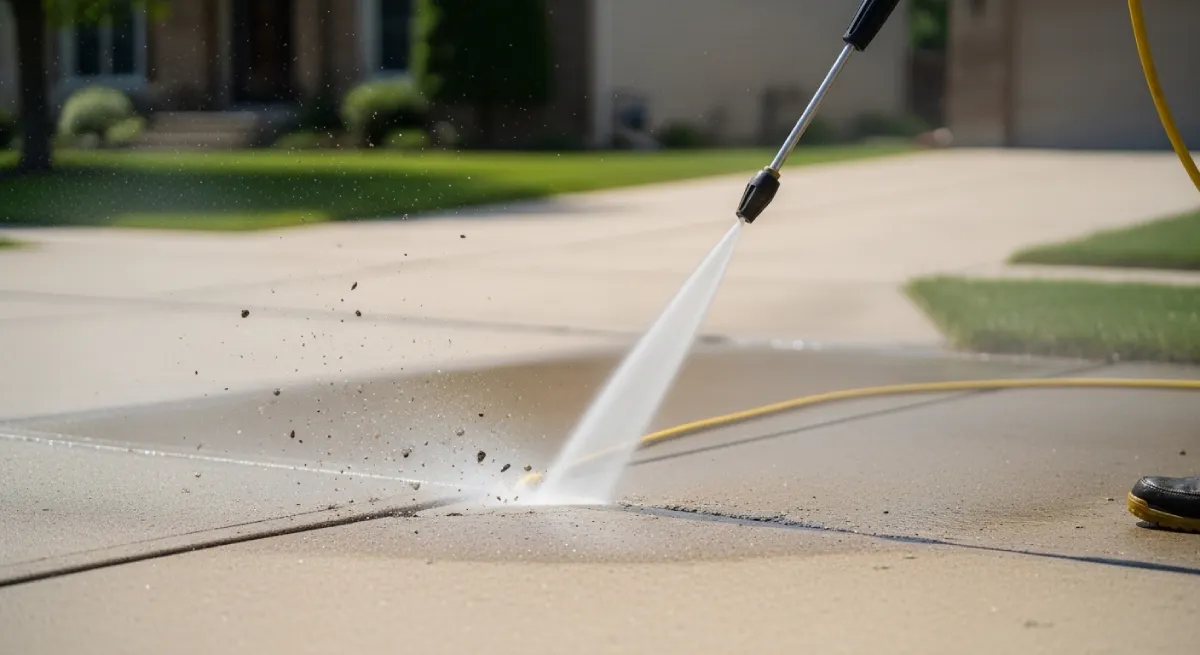
Pressure washing can be highly effective, but when used incorrectly, it can weaken or permanently damage your driveway. Different materials react differently to high-pressure water, making it essential to understand the risks before starting.
- Block paving can lose jointing sand
- Tarmac can strip and fade
- Concrete may suffer surface flaking
- Natural stone can become etched
- Water can penetrate and freeze beneath surfaces
Understanding these risks helps you avoid costly repairs and unnecessary repaving driveway costs.
Block Paving: The Risk of Loose and Unstable Surfaces
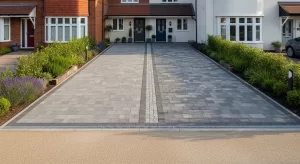
Block paving is particularly vulnerable to high-pressure washing. The force of the water can easily remove the kiln-dried sand that sits between the joints. Once this sand is removed, the blocks lose their structural stability. This leads to movement, uneven surfaces, and eventually a weakened driveway.
Over time, gaps between blocks allow weeds to grow more easily. This not only affects appearance but also accelerates long-term damage. If pressure washing is used, re-sanding is essential. Without replacing the jointing material, the driveway will continue to deteriorate.
Tarmac & Asphalt: When Cleaning Strips Away Protection
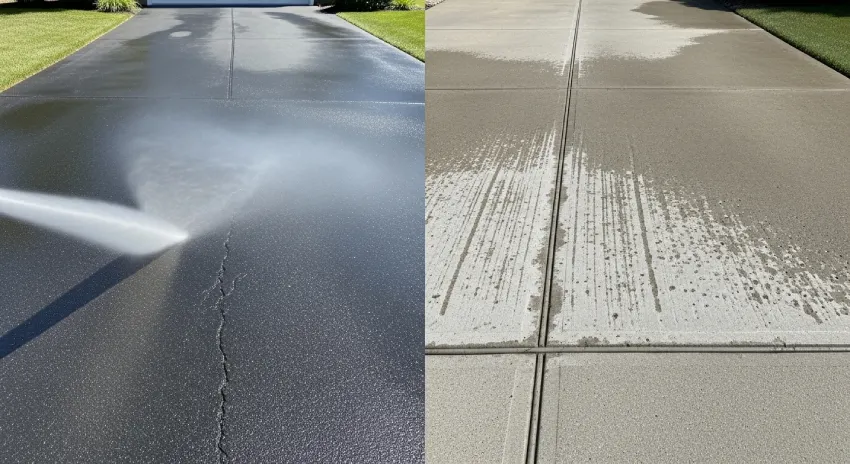
Tarmac and asphalt driveways rely on a bitumen binder to hold everything together. High-pressure water can strip this binder away. When this happens, the surface begins to look faded and patchy. Aggregates become exposed, creating a rough and uneven finish.
Repeated pressure washing can create small holes or pits. These gradually expand, leading to more serious structural problems. This type of damage often results in costly repairs or even full replacement, significantly increasing overall maintenance costs.
Concrete Driveways: Surface Spalling Explained
Concrete may appear strong, but its surface layer is surprisingly delicate. Excessive pressure can cause “spalling,” where the top layer flakes off. Once this protective layer is removed, the underlying material is exposed. This layer is softer and more prone to damage.
Spalling not only affects appearance but also shortens the lifespan of the driveway. Water can penetrate more easily, increasing the risk of cracks. Proper pressure settings and techniques are crucial to avoid permanent damage to concrete surfaces.
Natural Stone: Subtle Damage That Builds Over Time
Natural stone driveways require extra care. High-pressure washing can cause pitting and surface etching that may not be immediately visible. Over time, these small imperfections become more noticeable. The natural finish of the stone can be permanently altered.
Mortar joints are also at risk. Once weakened, they allow movement and water penetration. Because natural stone is often more expensive, improper cleaning can lead to significant financial loss.
Water Ingress: A Major UK Climate Concern
One of the biggest risks in the UK is water ingress caused by pressure washing. High-pressure water can be forced deep into surface pores. During winter, this trapped water freezes and expands. This freeze-thaw cycle creates cracks and structural damage.
Even small amounts of trapped moisture can cause long-term deterioration. This is especially problematic in older driveways. Preventing water ingress is essential to maintaining driveway durability in the UK climate.
Signs Your Driveway Has Been Damaged by Pressure Washing
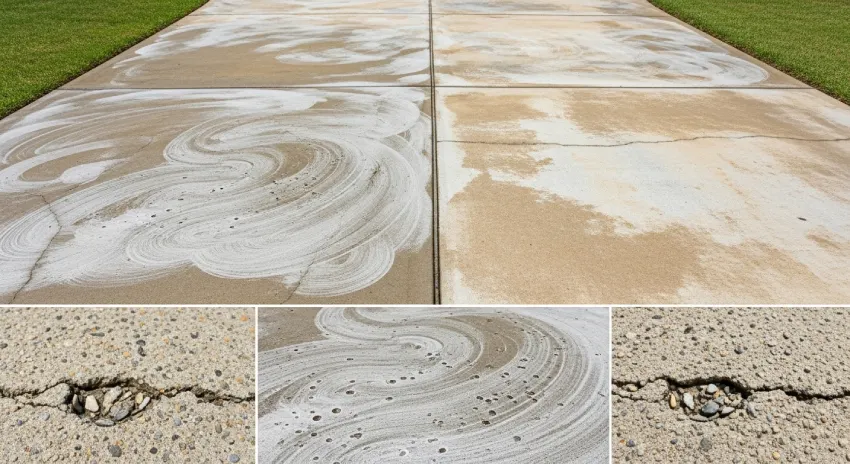
After pressure washing, it’s important to inspect your driveway for early signs of damage. Catching these issues early can save you from expensive repairs later.
- Loose or shifting blocks
- Uneven or patchy colouring
- Cracks or flaking surfaces
- Poor drainage or standing water
Recognising these signs allows you to take corrective action quickly.
Uneven Surfaces or Loose Blocks
One of the most obvious signs of damage is movement in block paving. Loose or uneven blocks indicate that jointing sand has been removed. This instability can worsen over time, especially with vehicle use.
The surface may become unsafe and unsightly. Addressing this early by re-sanding and levelling can prevent further deterioration.
Discoloration or Patchiness
Pressure washing can leave behind uneven colouring. This is particularly common with tarmac and concrete. Stripping protective layers often results in faded or blotchy areas. These patches can make the driveway look worn and aged. In some cases, the damage is irreversible without resurfacing.
Small Cracks or Flaking Areas
Cracks and flaking are clear signs of surface damage. These are often caused by excessive pressure or poor technique. Over time, these small issues can expand into larger structural problems. Water penetration accelerates this process. Regular inspection helps prevent minor damage from becoming major repairs.
Standing Water or Drainage Issues
If water begins to pool on your driveway, it may indicate surface damage. Uneven areas or compacted surfaces can disrupt drainage. Poor drainage increases the risk of water ingress and freezing. This leads to further cracking and deterioration. Fixing drainage issues early helps extend the lifespan of your driveway.
Best Practices to Pressure Wash Safely
Pressure washing can be done safely if you follow the correct methods. Using the right approach ensures effective cleaning without damaging the surface.
- Use low pressure settings
- Maintain proper distance
- Use correct nozzles (green/25°)
- Avoid focusing on one spot
- Always test first
These practices reduce risk and improve results.
Use the Right Pressure and Equipment
Using the correct PSI or BAR setting is essential. Too much pressure can damage even durable surfaces. A green (25°) nozzle is generally recommended for driveways.
It provides a balanced spray that cleans effectively without excessive force. Even domestic machines can cause damage, so always start with the lowest setting.
Maintain Proper Distance and Technique
Keeping a distance of 20–30cm from the surface is crucial. This prevents concentrated pressure from damaging the material. Always use sweeping motions rather than holding the nozzle in one spot. This ensures even cleaning. Proper technique is just as important as the equipment itself.
Why Surface Cleaners Are Safer
Surface cleaner attachments distribute pressure evenly. This reduces the risk of streaking and surface damage. They are especially useful for larger driveways. The consistent pressure helps maintain a uniform finish. Using a surface cleaner is one of the safest ways to pressure wash.
Always Start with a Test Patch
Before cleaning the entire driveway, test a small, hidden area. This helps you understand how the surface reacts. This step is particularly important for tarmac and natural stone. These materials are more sensitive to pressure. A simple test can prevent costly mistakes.
Re-Sanding and Sealing After Cleaning
After cleaning block paving, re-sanding is essential. This restores stability and prevents movement. Applying a sealant adds an extra layer of protection. It helps resist water penetration and weed growth. These finishing steps significantly extend the lifespan of your driveway.
Why Do Homeowners Trust Our Driveway Expertise?
Choosing the right professionals makes all the difference when it comes to driveway care. At East Hearts Driveway, we combine experience, precision, and local expertise to deliver outstanding results.
With over 20 years of industry experience, we understand how different surfaces respond to cleaning and maintenance. This allows us to tailor our approach to each project.
We specialise in modern solutions such as resin bound surfaces Eastbury Hertfordshire and resin bound surfaces Ware Hertfordshire. These surfaces offer durability, low maintenance, and long-term value.
Our team provides free surveys and no-obligation quotes, ensuring complete transparency. Whether you need cleaning, repairs, or a full upgrade, we deliver reliable service at competitive prices.
Serving Your Area: Find Reliable Driveway Specialists Near You
Finding a trusted local company is essential for quality driveway work. We proudly serve East Hertfordshire and surrounding areas with professional surfacing and paving services.
Our expertise covers everything from traditional driveways to resin surfaces Eastbury Hertfordshire. We understand local weather conditions and tailor our solutions accordingly.
You can easily reach us for advice, quotes, or site visits.
- Call: +44 (0) 8000 548448
- Email: quotes@easthertssurfacing.co.uk
- Hours: Mon–Fri (09:00–17:00), Sat (09:00–15:00)
Visit our location: https://maps.app.goo.gl/4qgohvi7PwUEbUx49
We are committed to delivering high-quality results with no pressure to proceed.
FAQs
Does pressure washing affect driveway drainage?
Yes, improper pressure washing can disrupt surface levels and jointing materials. This can lead to poor drainage and water pooling, which increases the risk of long-term damage.
Are resin driveways slippery when wet?
No, resin bound surfaces are designed to be slip-resistant. They provide excellent grip even in wet conditions, making them ideal for UK weather.
Is pressure washing safe for all driveway types?
Not always. While it can be safe with proper technique, some surfaces like tarmac and natural stone require extra care or alternative cleaning methods.
How can I stop weeds in a gravel driveway?
Using a weed membrane, regular maintenance, and proper edging can significantly reduce weed growth. Occasional treatments also help keep the surface clean.
How often should I clean my driveway?
Most driveways benefit from cleaning once or twice a year. Over-cleaning can increase the risk of damage, especially with pressure washing.
Conclusion: Clean Smart, Protect Your Investment
Pressure washing can transform your driveway, but only when done correctly. Using excessive pressure or poor technique can lead to costly damage, from loose paving to cracked surfaces.
Understanding the risks and following best practices ensures you get the benefits without the downsides. For many homeowners, professional help is the safest and most effective option.
If your driveway needs more than just cleaning, modern solutions like resin surfaces offer long-term durability and style. With expert guidance and proper care, you can protect your investment for years to come. When in doubt, always choose experience over guesswork and your driveway will thank you.